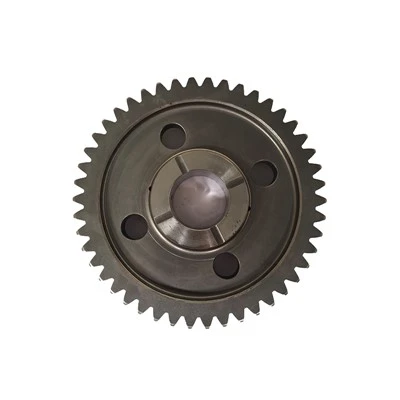
Stock bevel gears are essential components in many mechanical systems, providing efficient power transmission between intersecting shafts. As a supplier of stock bevel gears, I often receive inquiries from customers about the interchangeability of these gears. This blog post aims to delve into the intricacies of stock bevel gear interchangeability, exploring the factors that determine whether gears can be swapped and the implications for different applications.
Understanding Stock Bevel Gears
Before discussing interchangeability, it's important to understand what stock bevel gears are. Bevel gears are designed with teeth on conical surfaces, which allows them to transmit motion between shafts that intersect at an angle, typically 90 degrees. Stock bevel gears are pre - manufactured gears that are readily available in the market, offering a cost - effective and convenient solution for many applications. They come in various sizes, tooth profiles, and materials to meet different requirements.
Factors Affecting Interchangeability
1. Gear Dimensions
One of the most critical factors in determining gear interchangeability is their dimensions. This includes the pitch diameter, outside diameter, face width, and bore size. If the dimensions of two gears do not match, they will not fit properly in the existing gear system. For example, a gear with a larger pitch diameter may not mesh correctly with other gears in the set, leading to inefficient power transmission, increased wear, and potential system failure.
2. Tooth Profile
The tooth profile of a bevel gear is another crucial aspect. Common tooth profiles for bevel gears include involute and cycloidal. Gears with different tooth profiles cannot be interchanged because they will not mesh properly. The shape of the teeth affects the contact pattern, load distribution, and smoothness of operation. Even small differences in the tooth profile can lead to significant problems, such as noise, vibration, and premature wear.
3. Gear Ratio
The gear ratio is the ratio of the number of teeth on the driving gear to the number of teeth on the driven gear. It determines the speed and torque relationship between the input and output shafts. If you replace a gear with one that has a different gear ratio, it will change the performance of the entire system. For instance, in a vehicle's differential, changing the gear ratio can affect the vehicle's acceleration, top speed, and fuel efficiency.
4. Material and Heat Treatment
The material and heat treatment of the gears also play a role in interchangeability. Different materials have different mechanical properties, such as strength, hardness, and wear resistance. A gear made of a softer material may not be able to withstand the same load as a gear made of a harder material. Additionally, heat treatment can significantly alter the properties of the gear. For example, a gear that has been properly hardened and tempered will have better wear resistance compared to an untreated one. Using a gear with different material or heat treatment can lead to premature failure.
5. Mounting and Shaft Configuration
The mounting and shaft configuration of the gears are important considerations. Gears need to be properly aligned and secured on their respective shafts. If the mounting holes or keyways on the gears do not match the shaft, they cannot be installed. Also, the orientation of the gears and the way they are supported in the housing need to be compatible for proper operation.

Interchangeability in Different Applications
Automotive Applications
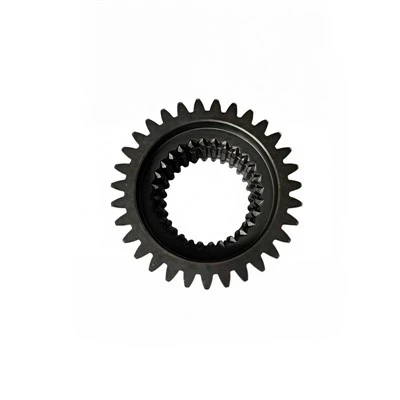
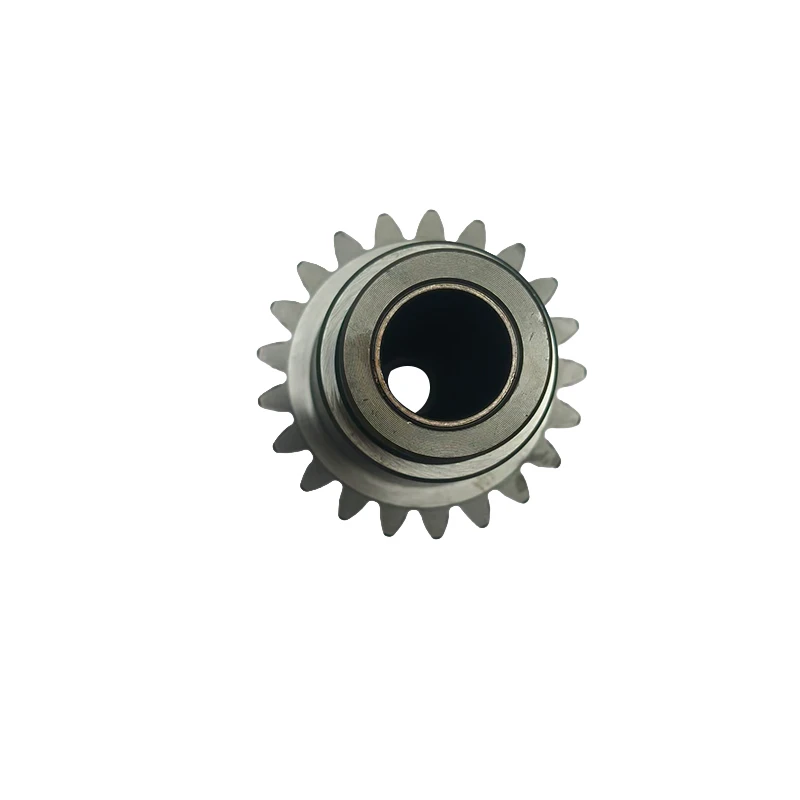
In the automotive industry, precision is crucial. Gears in the transmission, differential, and other components are designed to work together as a system. While some stock bevel gears may be interchangeable within a particular make and model of a vehicle, it is not a guarantee. For example, Final Drive Pinion Gear must be carefully selected to ensure the correct gear ratio and fit. A wrong choice can lead to poor driving performance, excessive noise, and even damage to the drivetrain.
Industrial Machinery
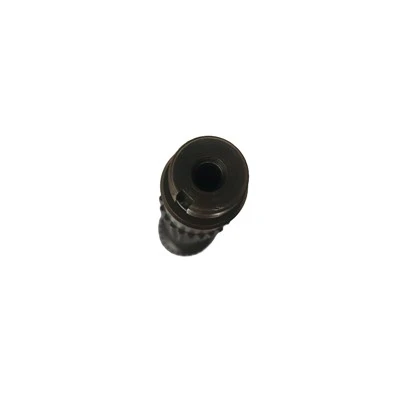
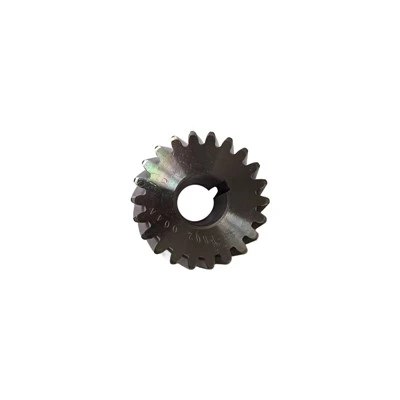
In industrial machinery, the requirements for gear interchangeability can vary widely depending on the type of machine. Some general - purpose machines may allow for a certain degree of interchangeability as long as the basic parameters are met. However, in high - precision machinery, such as CNC machines, even the slightest deviation in gear specifications can lead to significant errors in the machining process. For instance, Left Axle Gear in an industrial conveyor system must be precisely matched to ensure smooth and efficient operation.
Agricultural Equipment
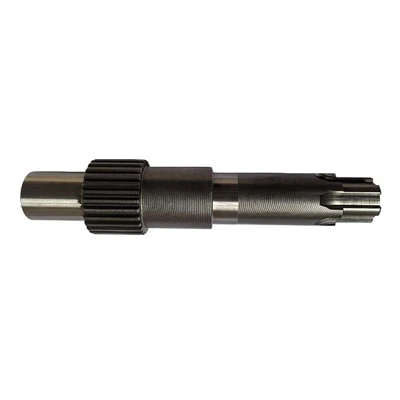
Agricultural equipment often operates in harsh environments and under heavy loads. Gears in tractors, combines, and other machinery need to be durable and reliable. When replacing PTO High Speed Driven Gear, it is essential to ensure that the new gear is compatible with the existing system. Interchanging gears without proper consideration can result in reduced efficiency, increased maintenance costs, and even safety hazards.
How Our Stock Bevel Gears Can Help
As a stock bevel gear supplier, we understand the importance of providing gears that meet the specific needs of our customers. We offer a wide range of stock bevel gears with different dimensions, tooth profiles, and materials. Our team of experts can assist you in selecting the right gear for your application, ensuring that it is interchangeable with your existing system. We conduct rigorous quality control checks on all our gears to guarantee their performance and reliability.
Contact Us for More Information
If you are in need of stock bevel gears and have questions about interchangeability or need help with gear selection, we are here to assist you. Contact our sales team, who will be happy to discuss your requirements in detail and provide you with the best solutions. We are committed to providing high - quality products and excellent customer service to meet your gear - related needs.
References
- Litvin, F. L., & Fuentes, A. (2004). Gear Geometry and Applied Theory. Cambridge University Press.
- Dudley, D. W. (1962). Gear Handbook. McGraw - Hill.
- Townsend, D. P. (1992). Dudley's Gear Handbook. Marcel Dekker.