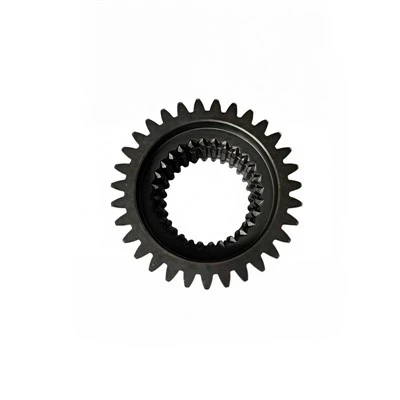
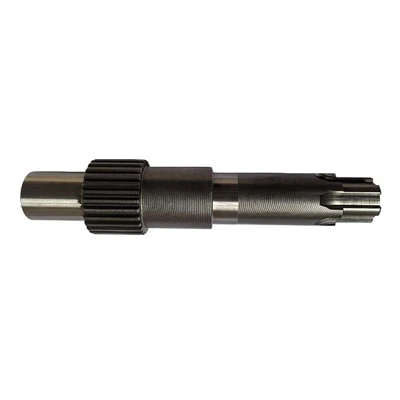
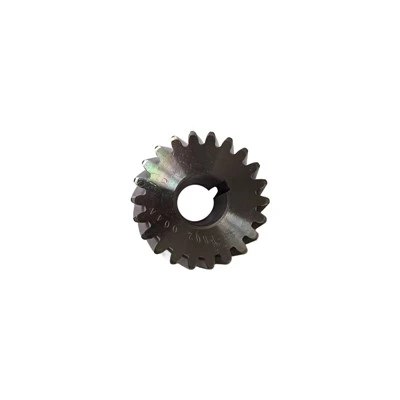
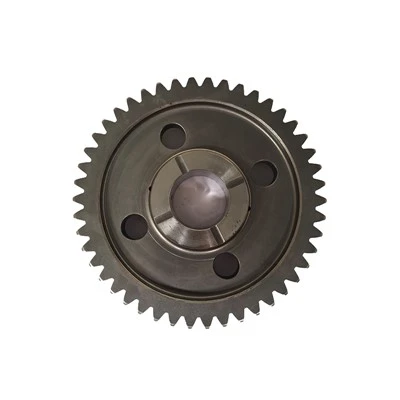
Power transmission shafts are vital components in a wide range of mechanical systems, from industrial machinery to automotive applications. They are responsible for transferring power from one part of a machine to another, ensuring smooth and efficient operation. However, due to the high - speed rotation and heavy loads they often endure, power transmission shafts pose significant safety risks if not properly managed. As a power transmission shaft supplier, I understand the importance of adhering to safety regulations to protect both workers and equipment. In this blog, I will discuss the key safety regulations for power transmission shafts.
1. Design and Manufacturing Standards
The first step in ensuring the safety of power transmission shafts is to follow strict design and manufacturing standards. Shafts should be designed to withstand the specific loads and operating conditions they will encounter. This involves calculating the appropriate diameter, length, and material based on factors such as torque, speed, and the type of power being transmitted.
For instance, when designing a Power Transmission Shaft, engineers must consider the maximum torque that the shaft will need to handle. If the shaft is undersized, it may fail under load, leading to equipment damage and potential injury. On the other hand, an oversized shaft can be unnecessarily expensive and may add extra weight to the system.
Manufacturing processes also play a crucial role in shaft safety. Shafts should be machined to precise tolerances to ensure proper fit and alignment. Any defects in the manufacturing process, such as cracks or rough surfaces, can weaken the shaft and increase the risk of failure. For example, a CNC Machined Reverse Gear Shaft produced using advanced CNC machining techniques can offer high precision and quality, reducing the likelihood of safety issues.
2. Installation and Alignment
Proper installation and alignment of power transmission shafts are essential for their safe operation. Shafts should be installed in accordance with the manufacturer's instructions, which typically include guidelines on mounting, coupling, and lubrication.
Misalignment of shafts can cause excessive vibration, increased wear and tear, and even premature failure. When installing a Billet Output Shaft, for example, it is crucial to ensure that it is perfectly aligned with the other components in the system. This may require the use of alignment tools and techniques to achieve the desired accuracy.
In addition, the coupling used to connect the shaft to other components should be selected carefully. The coupling must be able to transmit the required torque while accommodating any misalignment and absorbing shock and vibration. A poorly chosen coupling can lead to shaft damage and safety hazards.
3. Guarding and Enclosure
To prevent accidental contact with rotating power transmission shafts, appropriate guarding and enclosure measures should be implemented. Guards are physical barriers that protect workers from coming into direct contact with the shaft, reducing the risk of entanglement, cuts, and other injuries.
Guards should be designed to be strong, durable, and easy to install and maintain. They should also provide clear visibility of the shaft for inspection and monitoring purposes. For example, in an industrial setting, a Ground Reverse Gear Shaft should be enclosed in a guard that meets the relevant safety standards.
In addition to guards, enclosures can be used to isolate the power transmission system from the surrounding environment. Enclosures can help to prevent the ingress of dust, debris, and other contaminants, which can affect the performance and safety of the shaft. They can also reduce noise and vibration, creating a more comfortable and safe working environment.


4. Maintenance and Inspection
Regular maintenance and inspection are crucial for ensuring the long - term safety and reliability of power transmission shafts. Maintenance tasks may include lubrication, cleaning, and replacement of worn or damaged components.
Lubrication is essential for reducing friction and wear between the shaft and its bearings. Insufficient lubrication can lead to overheating, increased wear, and ultimately, shaft failure. Therefore, it is important to follow the manufacturer's recommendations regarding the type and frequency of lubrication for a Output Shaft or any other power transmission shaft.
Inspection should be carried out at regular intervals to detect any signs of damage or wear. This may involve visual inspections, non - destructive testing, and measurement of key parameters such as shaft diameter and runout. Any defects or abnormalities found during the inspection should be addressed immediately to prevent further damage and ensure the safety of the system.
5. Training and Education
Proper training and education are essential for workers who operate or maintain power transmission shafts. Workers should be trained on the safe operation of the equipment, including how to install, align, and maintain the shafts. They should also be aware of the potential hazards associated with power transmission shafts and how to prevent accidents.
Training programs should cover topics such as safety regulations, proper use of tools and equipment, and emergency procedures. By providing workers with the necessary knowledge and skills, employers can reduce the risk of accidents and ensure a safe working environment.
6. Compliance with Regulations
Power transmission shaft suppliers and users must comply with relevant safety regulations and standards. These regulations are designed to protect workers and the public from the hazards associated with power transmission systems.
In many countries, there are specific regulations governing the design, manufacture, installation, and maintenance of power transmission shafts. For example, in the United States, the Occupational Safety and Health Administration (OSHA) has established standards for machine guarding and electrical safety, which apply to power transmission systems.
Compliance with these regulations not only helps to ensure the safety of workers but also protects businesses from legal liability. By following the regulations, suppliers can demonstrate their commitment to safety and quality, which can enhance their reputation in the market.
Conclusion
As a power transmission shaft supplier, I am committed to providing high - quality products that meet the highest safety standards. By following the safety regulations discussed in this blog, we can ensure that our power transmission shafts are safe, reliable, and efficient.
If you are in the market for power transmission shafts, I encourage you to contact us for a detailed discussion about your specific requirements. We have a wide range of products, including Billet Output Shaft, CNC Machined Reverse Gear Shaft, Output Shaft, Power Transmission Shaft, and Ground Reverse Gear Shaft, and our team of experts can help you select the right shaft for your application.
References
- OSHA. Machine Guarding Standards.
- ISO Standards for Power Transmission Shafts.
- Machinery's Handbook for Mechanical Design and Safety.