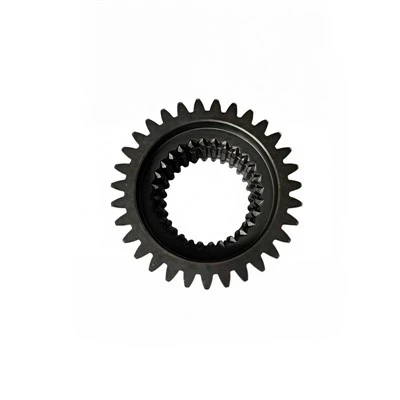
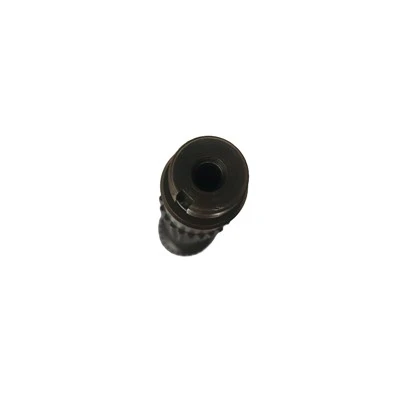
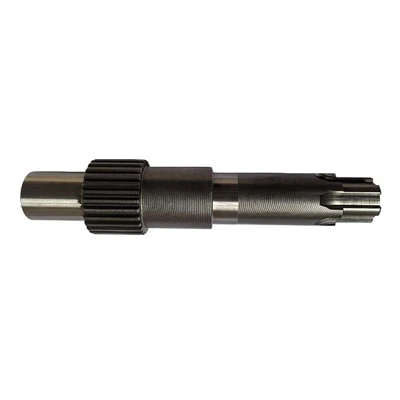
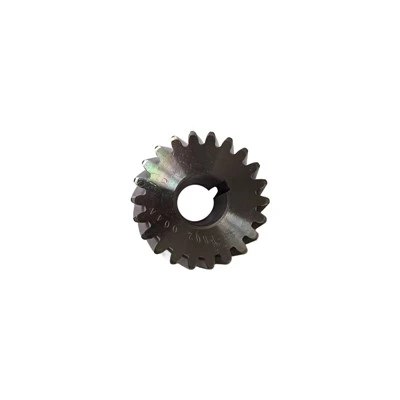
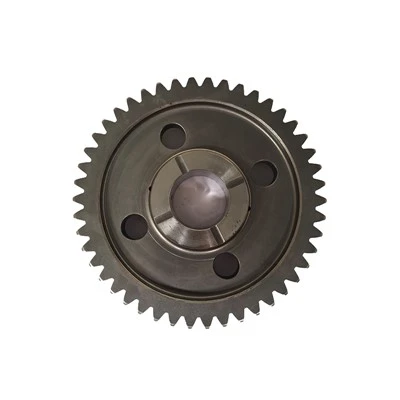
Overload protection of precision reduction gears is a crucial aspect in the design, operation, and maintenance of these mechanical components. As a supplier of Precision Reduction Gears, I am deeply aware of the significance of overload protection and its impact on the performance and longevity of our products.
Understanding Precision Reduction Gears
Precision reduction gears are mechanical devices designed to decrease the rotational speed of an input shaft while increasing torque. They are widely used in various industries, including automotive, aerospace, robotics, and manufacturing. These gears are engineered with high precision to ensure accurate and efficient power transmission. The reduction ratio, which is the ratio of the input speed to the output speed, is carefully calculated based on the specific requirements of the application.
The Concept of Overload
Overload occurs when the load applied to a precision reduction gear exceeds its rated capacity. This can happen due to various reasons, such as sudden changes in the operating conditions, incorrect installation, or malfunction of the connected equipment. When an overload situation occurs, it can lead to several problems. For instance, excessive stress on the gear teeth can cause premature wear, pitting, or even tooth breakage. This not only affects the performance of the gear but also poses a safety risk in some applications. Moreover, an overload can increase the temperature of the gear due to the additional friction and mechanical stress, which may further damage the lubrication and other components of the gear system.
Importance of Overload Protection
Overload protection is essential for several reasons. Firstly, it helps to extend the service life of precision reduction gears. By preventing excessive stress and wear, the gears can operate for a longer period without significant degradation in performance. This reduces the frequency of gear replacements, which in turn lowers the maintenance costs for the end - users. Secondly, overload protection enhances the reliability of the entire mechanical system. If a precision reduction gear fails due to an overload, it can cause the entire machinery to stop working, leading to production downtime and potential losses. By protecting the gears, the overall system can operate more stably, ensuring continuous production and operation.
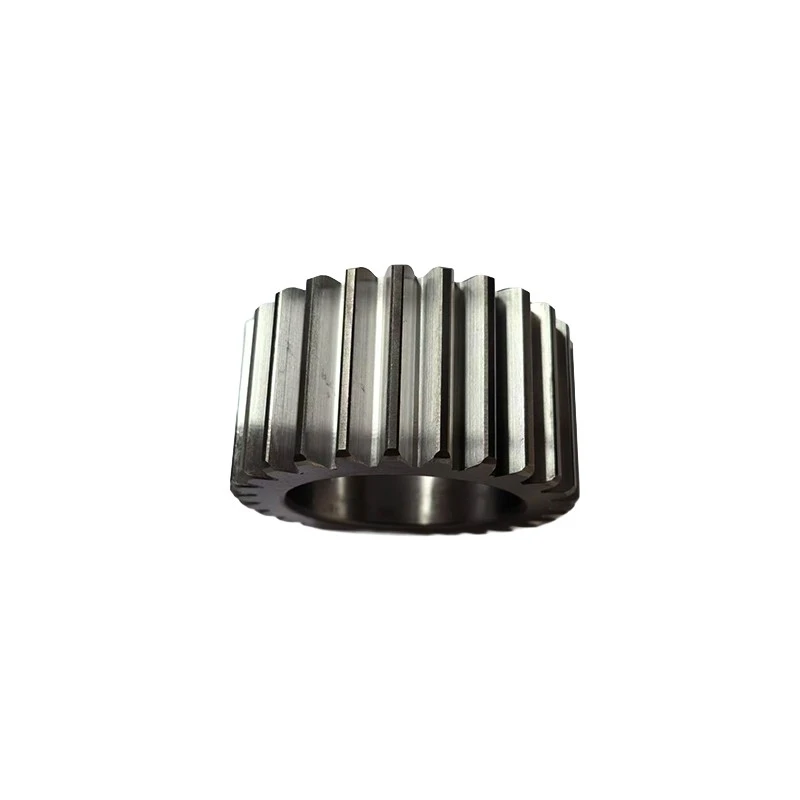
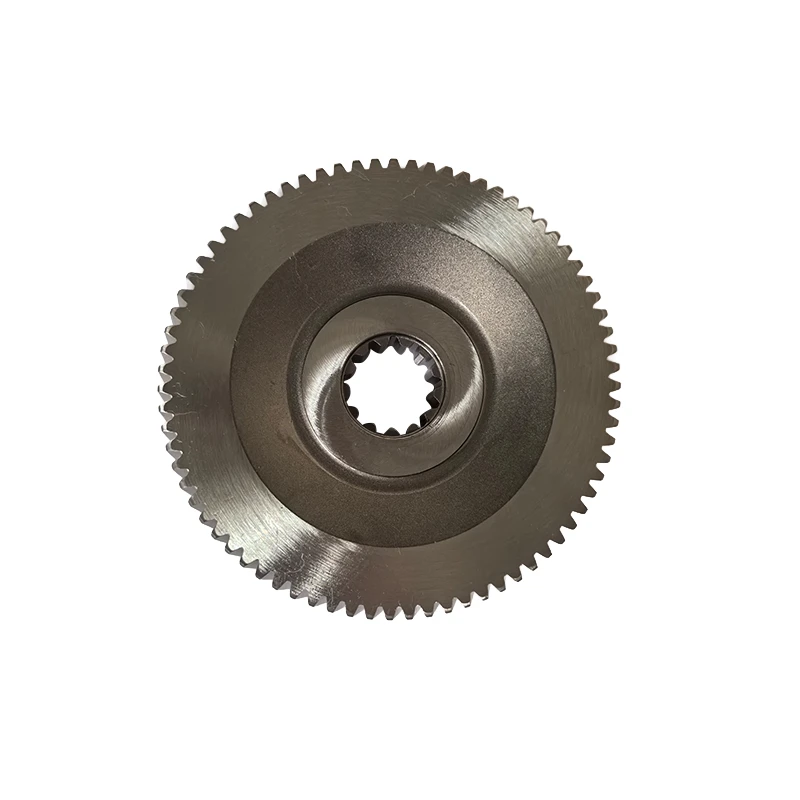
Types of Overload Protection for Precision Reduction Gears
Mechanical Overload Protection
One of the most common types of mechanical overload protection is the use of a shear pin. A shear pin is a small, easily breakable pin that is installed in the gear system. When the load exceeds a certain limit, the shear pin will break, disconnecting the power transmission path. This prevents further damage to the gears. Another mechanical method is the use of a friction clutch. A friction clutch allows the gears to slip when the load becomes too high, thus protecting the gear teeth from excessive stress.
Electrical Overload Protection
In applications where the precision reduction gears are driven by electric motors, electrical overload protection can be implemented. This can be achieved through the use of overload relays. Overload relays monitor the current flowing through the motor. When the current exceeds a pre - set value, which indicates an overload, the relay will trip and cut off the power supply to the motor. Additionally, variable frequency drives (VFDs) can also be used to provide overload protection. VFDs can adjust the speed and torque of the motor according to the load requirements, preventing the motor and the connected gears from being overloaded.
Hydraulic Overload Protection
In hydraulic systems that use precision reduction gears, hydraulic overload protection can be used. Hydraulic relief valves are commonly used in such systems. When the pressure in the hydraulic system exceeds a certain limit, the relief valve will open, allowing the hydraulic fluid to bypass the gear system. This reduces the load on the gears and prevents damage.
Our Company's Approach to Overload Protection
As a supplier of Precision Reduction Gears, we take several measures to ensure effective overload protection for our products. Firstly, during the design phase, we carefully calculate the load - bearing capacity of the gears based on the expected operating conditions. We use advanced engineering software and simulation tools to analyze the stress distribution on the gear teeth and optimize the gear design to improve its overload resistance.
Secondly, we offer a range of overload protection devices as optional accessories for our precision reduction gears. For example, we can provide shear pins and friction clutches that are specifically designed to match the specifications of our gears. These devices are made of high - quality materials to ensure reliable performance.
In addition, we provide comprehensive technical support to our customers. Our team of experts can help customers to select the appropriate overload protection methods based on their specific application requirements. We also offer installation and maintenance guidance to ensure that the overload protection devices work effectively.
Our Product Range and Related Links
We offer a wide range of precision reduction gears, including Reverse Driven Gear, Front Drive Pinion Gear, PTO High Speed Driven Gear, Final Drive Pinion Gear, and Stainless Steel Spur Gears. Each of these products is designed with high precision and can be equipped with suitable overload protection mechanisms to meet the diverse needs of our customers.
Contact for Purchase and Negotiation
If you are interested in our Precision Reduction Gears and need more information about overload protection or other aspects of our products, please feel free to contact us. We are more than willing to have in - depth discussions with you to understand your specific requirements and offer the best solutions. Our professional sales team will provide you with detailed product information and competitive quotations. We look forward to establishing a long - term and mutually beneficial cooperative relationship with you.
References
- Maitra, A., & Chattopadhyay, A. (2016). Design and analysis of spur gear for different materials. International Journal of Engineering Research & Technology, 5(10), 133 - 138.
- Townsend, D. P. (2017). Dudley's Gear Handbook: Design, Manufacture, and Application. CRC Press.
- Buckingham, E. (2018). Analytical Mechanics of Gears. Courier Corporation.