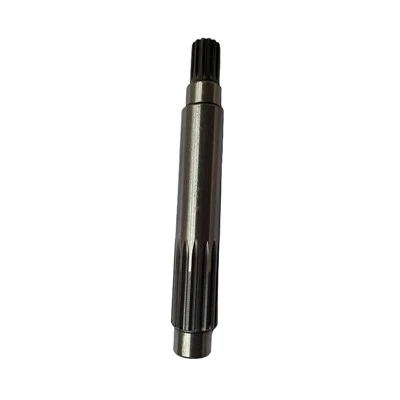
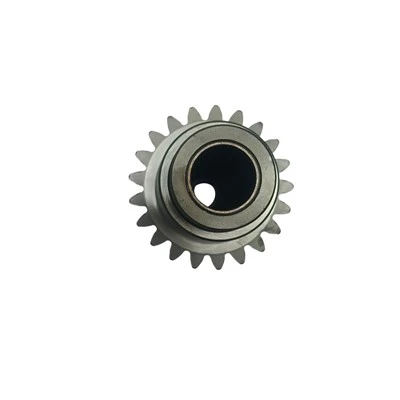
Hey there! As a clutch input shaft supplier, I've seen firsthand how environmental damage can take a toll on these crucial components. In this blog post, I'm gonna share some tips on how to protect a clutch input shaft from environmental damage.
Understanding the Environmental Threats
Before we dive into the protection methods, it's important to understand the environmental threats that can harm a clutch input shaft. These threats can be broadly categorized into three main types: moisture, dirt and debris, and extreme temperatures.
Moisture
Moisture is one of the biggest enemies of a clutch input shaft. When water gets into the shaft, it can cause rust and corrosion, which can weaken the shaft and lead to premature failure. Moisture can also cause the lubricant in the shaft to break down, reducing its effectiveness and increasing wear and tear.
Dirt and Debris
Dirt and debris can also cause significant damage to a clutch input shaft. When dirt and debris get into the shaft, they can scratch the surface of the shaft, creating small grooves and pits. These grooves and pits can collect more dirt and debris, further accelerating the wear and tear of the shaft. In addition, dirt and debris can also clog the lubricant passages in the shaft, reducing the flow of lubricant and increasing friction.
Extreme Temperatures
Extreme temperatures can also have a negative impact on a clutch input shaft. High temperatures can cause the metal in the shaft to expand, which can lead to misalignment and increased wear and tear. Low temperatures, on the other hand, can cause the metal in the shaft to contract, which can also lead to misalignment and increased wear and tear. In addition, extreme temperatures can also cause the lubricant in the shaft to break down, reducing its effectiveness and increasing friction.
Protecting the Clutch Input Shaft
Now that we understand the environmental threats that can harm a clutch input shaft, let's take a look at some ways to protect it.
Sealing the Shaft
One of the most effective ways to protect a clutch input shaft from environmental damage is to seal it. Sealing the shaft can prevent moisture, dirt, and debris from getting into the shaft, reducing the risk of rust, corrosion, and wear and tear. There are several types of seals that can be used to seal a clutch input shaft, including lip seals, O-rings, and mechanical seals.
Using a Protective Coating
Another way to protect a clutch input shaft from environmental damage is to use a protective coating. A protective coating can provide a barrier between the shaft and the environment, preventing moisture, dirt, and debris from coming into contact with the shaft. There are several types of protective coatings that can be used on a clutch input shaft, including paint, powder coating, and galvanizing.
Regular Maintenance
Regular maintenance is also essential for protecting a clutch input shaft from environmental damage. By performing regular maintenance, you can detect and address any issues with the shaft before they become serious. Some of the maintenance tasks that should be performed on a clutch input shaft include checking the lubricant level, inspecting the seals for damage, and cleaning the shaft to remove any dirt and debris.
Using the Right Lubricant
Using the right lubricant is also important for protecting a clutch input shaft from environmental damage. The lubricant should be able to withstand the environmental conditions that the shaft will be exposed to, such as high temperatures, moisture, and dirt. In addition, the lubricant should also be able to provide adequate lubrication to reduce friction and wear and tear.
Specific Applications and Considerations
Shaft Mounted Clutch
When it comes to Shaft Mounted Clutch, the protection of the clutch input shaft is crucial. These clutches are often used in industrial applications where they are exposed to harsh environmental conditions. To protect the clutch input shaft in a shaft mounted clutch, it's important to use a high-quality seal and a protective coating. In addition, regular maintenance should be performed to ensure that the lubricant level is correct and that the seals are in good condition.
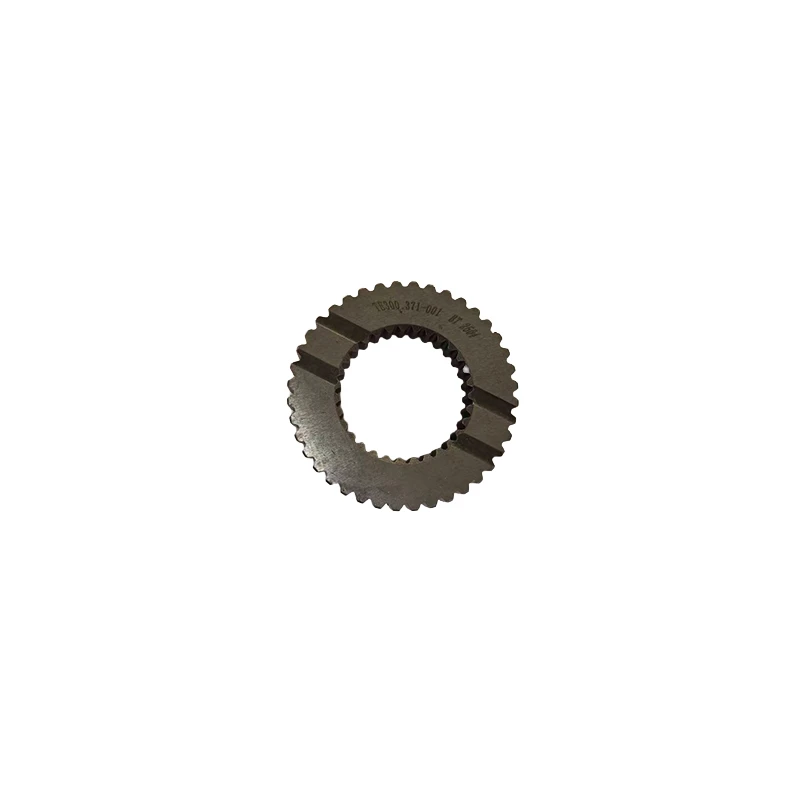
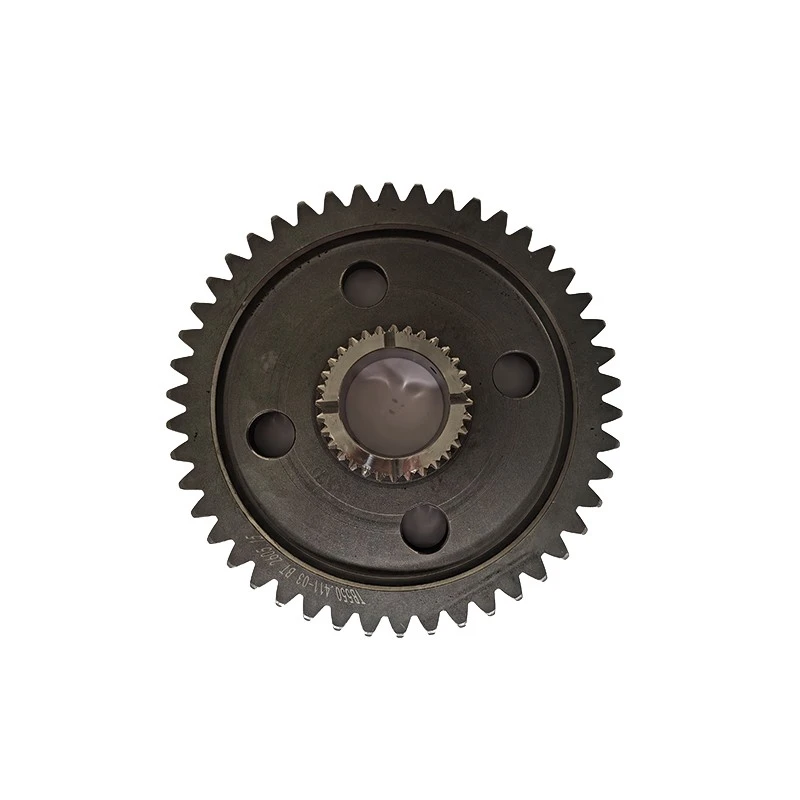
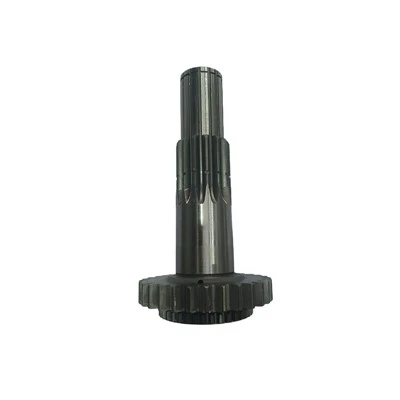
Transmission Intermediate Shaft
The Transmission Intermediate Shaft is another important component in a transmission system. This shaft is responsible for transmitting power from the engine to the transmission. To protect the clutch input shaft in a transmission intermediate shaft, it's important to use a high-quality lubricant that can withstand the high temperatures and pressures that are generated in the transmission. In addition, the shaft should be sealed to prevent moisture and dirt from getting into the shaft.
Reverse Gear Shaft
The Reverse Gear Shaft is used to engage the reverse gear in a transmission system. This shaft is often exposed to high levels of stress and wear and tear. To protect the clutch input shaft in a reverse gear shaft, it's important to use a high-quality material that can withstand the high levels of stress. In addition, the shaft should be coated with a protective coating to prevent rust and corrosion.
Conclusion
Protecting a clutch input shaft from environmental damage is essential for ensuring its long-term performance and reliability. By understanding the environmental threats that can harm the shaft and taking the appropriate steps to protect it, you can extend the life of the shaft and reduce the risk of premature failure. If you're in the market for a high-quality clutch input shaft, don't hesitate to contact us. We're a leading supplier of clutch input shafts and can provide you with the products and services you need to keep your equipment running smoothly.
References
- Automotive Engineering Handbook
- Machinery's Handbook
- Lubrication and Tribology Handbook