Hey there! As a supplier of idler gear shafts, I've been getting a lot of questions lately about the vibration characteristics of these nifty little components. So, I thought I'd take a few minutes to break it down for you.
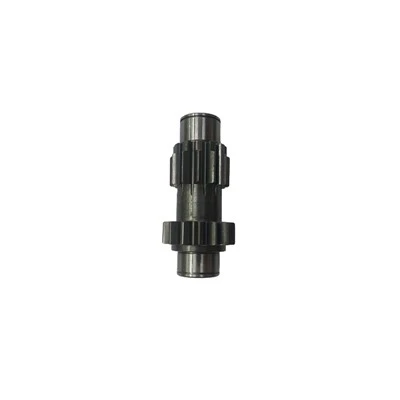
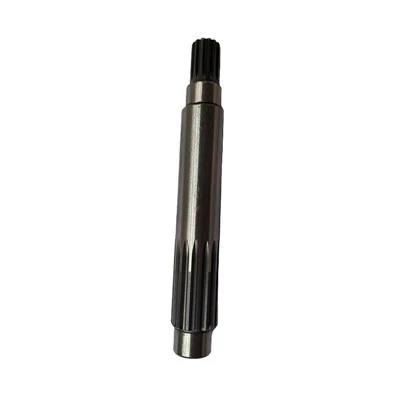
First off, let's talk about what an idler gear shaft is. In simple terms, it's a shaft that supports an idler gear. An idler gear is used to change the direction of rotation or to transmit power between two gears that are not in direct contact. It doesn't change the gear ratio but plays a crucial role in the overall operation of a gear system.
Now, let's dive into the vibration characteristics. Vibration in an idler gear shaft is a complex phenomenon that can be influenced by a variety of factors. One of the primary factors is the imbalance of the gear. If the mass of the gear is not evenly distributed around the shaft, it can cause the shaft to vibrate. This imbalance can be due to manufacturing defects, wear and tear, or improper installation.
Another factor that can affect vibration is the meshing of the gears. When two gears mesh, there is a certain amount of impact and friction. If the gears are not properly aligned or if the tooth profile is not correct, it can lead to increased vibration. This is why it's so important to use high - quality gears and to ensure proper installation and maintenance.
The speed at which the shaft rotates also plays a significant role in vibration. As the speed increases, the forces acting on the shaft also increase. This can cause resonance, which is a condition where the natural frequency of the shaft matches the frequency of the excitation force. Resonance can lead to excessive vibration, which can cause premature wear of the shaft, gears, and other components in the system.
Lubrication is another important aspect. Proper lubrication reduces friction between the gears and the shaft, which in turn can reduce vibration. If the lubricant is dirty, of poor quality, or not sufficient, it can increase friction and lead to more vibration.
Let's take a closer look at some of the common types of vibrations you might encounter with an idler gear shaft.
1. Radial Vibration
Radial vibration occurs when the shaft moves perpendicular to its axis. This can be caused by an imbalance in the gear, misalignment of the shaft, or a problem with the bearings. If you notice a lot of radial vibration, it could be a sign that there's an issue with the installation or that the gear has been damaged.
2. Axial Vibration
Axial vibration is when the shaft moves along its axis. This can be caused by things like thrust loads, misaligned gears, or uneven wear on the bearings. Axial vibration can be particularly troublesome as it can cause damage to the end - caps and other components in the system.
3. Torsional Vibration
Torsional vibration is the twisting motion of the shaft. It can be caused by sudden changes in load, such as when the equipment starts or stops. Torsional vibration can lead to fatigue failure of the shaft over time if not addressed.
Now, as a supplier, we know how important it is to have idler gear shafts with good vibration characteristics. That's why we take extra care in the manufacturing process. We use high - grade materials and state - of - the - art manufacturing techniques to ensure that our shafts are well - balanced and have a smooth surface finish.
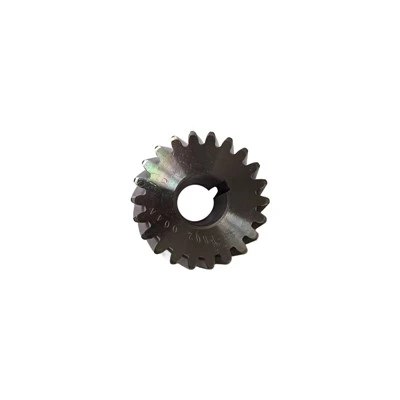
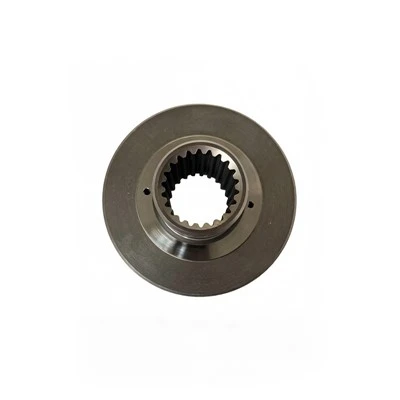
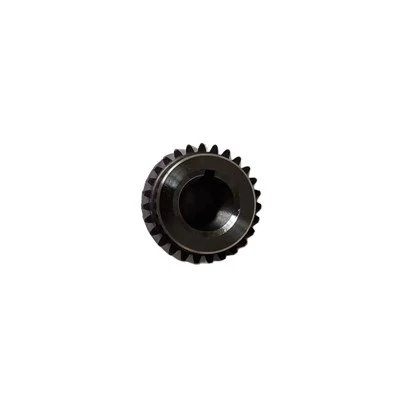
We also offer a wide range of idler gear shafts to meet different needs. For example, if you're looking for a Model 138 PTO Shaft, we've got you covered. Our Input Shaft is designed to work seamlessly with various gear systems. And if you're in the market for a Reverse Idler Gear Shaft, we have high - quality options available. Our Pto Input Shaft and Ground Reverse Gear Shaft are also top - notch products.
But having a good product is only half the battle. We also offer excellent after - sales support. Our team of experts can help you with installation, maintenance, and troubleshooting. We understand that vibration issues can be a headache, and we're here to make your life easier.
If you're experiencing vibration problems with your idler gear shaft or if you're in the market for a new one, don't hesitate to reach out. We're here to answer your questions, provide technical advice, and help you find the right solution for your needs. Whether you're dealing with a small - scale project or a large industrial application, we've got the expertise and the products to support you.
By understanding the vibration characteristics of an idler gear shaft and taking proactive steps to address any issues, you can ensure the smooth operation of your gear system and extend the lifespan of your equipment. So, if you're ready to take your gear system to the next level, let's start a conversation. We're looking forward to working with you and helping you achieve optimal performance.


References
- Norton, Robert L. "Machine Design: An Integrated Approach." Pearson, 2012.
- Shigley, Joseph E., et al. "Mechanical Engineering Design." McGraw - Hill Education, 2015.