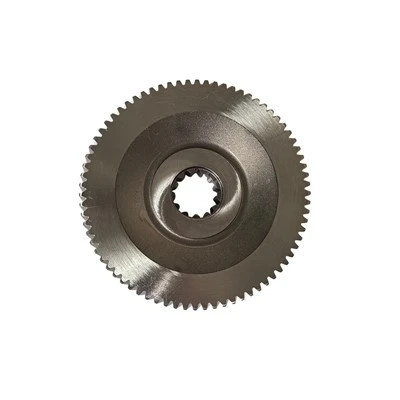
A Universal PTO (Power Take-Off) shaft is a crucial component in many types of machinery, especially those used in agricultural, industrial, and automotive applications. It serves as a flexible link that transfers power from a power source, such as an engine or a tractor, to various pieces of equipment. Understanding the connection methods of a Universal PTO shaft to the equipment is essential for ensuring efficient power transmission, safe operation, and long - term reliability.
1. Basic Components of a Universal PTO Shaft
Before delving into the connection methods, it's important to understand the basic components of a Universal PTO shaft. A typical Universal PTO shaft consists of two yokes, a cross - and - bearing assembly (universal joint), and a telescopic tube. The yokes are attached to the power source and the equipment, while the universal joint allows for angular misalignment between the two shafts, and the telescopic tube can adjust the length of the shaft to accommodate different distances between the power source and the equipment.
2. Connection to the Power Source
The first step in connecting a Universal PTO shaft is to attach it to the power source. In most cases, the power source is a tractor or an engine with a PTO output. The connection to the power source is usually made through a splined yoke. The splines on the yoke match the splines on the PTO output shaft of the power source.
To make the connection, the following steps are typically followed:
- Inspect the Splines: Before making the connection, carefully inspect the splines on both the PTO output shaft of the power source and the yoke of the PTO shaft. Ensure that there are no signs of damage, such as worn or broken splines.
- Lubricate the Splines: Apply a suitable lubricant to the splines to reduce friction and wear during operation. This will also make it easier to insert the yoke onto the PTO output shaft.
- Align the Yoke: Align the splines on the yoke with the splines on the PTO output shaft. Then, slide the yoke onto the PTO output shaft until it is fully seated.
- Secure the Yoke: Once the yoke is fully seated, use a retaining clip or a locking mechanism to secure the yoke to the PTO output shaft. This will prevent the yoke from coming loose during operation.
3. Connection to the Equipment
The connection of the Universal PTO shaft to the equipment is similar to the connection to the power source, but there may be some variations depending on the type of equipment.
3.1 Agricultural Equipment
In agricultural applications, many pieces of equipment, such as mowers, tillers, and balers, are designed to be powered by a PTO shaft. The connection to this type of equipment is often made through a splined input shaft on the equipment.
The steps for connecting the PTO shaft to agricultural equipment are as follows:
- Inspect the Equipment Input Shaft: Check the splines on the input shaft of the equipment for any damage or wear. Make sure that the spline size and pitch match the splines on the yoke of the PTO shaft.
- Lubricate the Splines: Apply lubricant to the splines on the equipment input shaft and the yoke of the PTO shaft.
- Align and Connect: Align the splines on the yoke with the splines on the equipment input shaft and slide the yoke onto the input shaft until it is fully seated. Use a retaining clip or a locking mechanism to secure the connection.
3.2 Industrial Equipment
In industrial applications, the connection of the PTO shaft to the equipment may be more complex. Some industrial equipment may have a Gearbox Drive Shaft or a Clutch Input Shaft that requires a specific type of connection.
For example, if the equipment has a gearbox drive shaft, the PTO shaft may need to be connected through a coupling or a flange. In this case, the following steps are involved:
- Determine the Connection Type: Identify the type of connection required by the equipment, such as a coupling or a flange.
- Prepare the Components: Ensure that the coupling or flange is clean and in good condition. If necessary, machine the ends of the PTO shaft and the equipment shaft to fit the coupling or flange.
- Align and Connect: Align the PTO shaft and the equipment shaft using alignment tools. Then, install the coupling or flange and tighten the bolts according to the manufacturer's specifications.
4. Safety Considerations
When connecting a Universal PTO shaft to the equipment, safety should always be a top priority. Here are some important safety considerations:


- Guard the PTO Shaft: Install a PTO guard over the PTO shaft to prevent accidental contact with moving parts. The guard should be in good condition and properly installed.
- Stop the Power Source: Before making or breaking the connection, stop the power source to avoid the risk of injury from rotating shafts.
- Follow the Manufacturer's Instructions: Always follow the manufacturer's instructions for connecting and operating the PTO shaft. This will ensure that the connection is made correctly and safely.
5. Maintenance of the Connection
Proper maintenance of the connection between the Universal PTO shaft and the equipment is essential for ensuring long - term reliability. Here are some maintenance tips:
- Inspect the Connection Regularly: Check the connection for any signs of wear, damage, or looseness. If any problems are found, repair or replace the damaged components immediately.
- Lubricate the Splines: Regularly lubricate the splines on the yoke and the input/output shafts to reduce friction and wear.
- Check the Universal Joints: Inspect the universal joints for any signs of wear or damage. If the universal joints are worn, they should be replaced to prevent vibration and premature failure of the PTO shaft.
6. Troubleshooting Common Connection Problems
Even with proper installation and maintenance, problems may still occur with the connection of the Universal PTO shaft to the equipment. Here are some common problems and their solutions:
- Vibration: Vibration can be caused by misalignment, worn universal joints, or loose connections. To solve this problem, check the alignment of the shafts, replace the worn universal joints, and tighten the connections.
- Noise: Noise can be a sign of worn components or improper lubrication. Inspect the universal joints, splines, and other components for wear, and apply lubricant as needed.
- Difficulty in Connecting or Disconnecting: This may be due to damaged splines or improper alignment. Inspect the splines for damage and realign the shafts if necessary.
7. Conclusion
The connection method of a Universal PTO shaft to the equipment is a critical aspect of power transmission in many applications. By understanding the basic components, following the proper connection procedures, considering safety, and performing regular maintenance, you can ensure efficient and reliable operation of the equipment.
As a Universal PTO shaft supplier, we are committed to providing high - quality products and technical support. If you are interested in purchasing Universal PTO shafts or need more information about their connection methods, please feel free to contact us for further discussion and negotiation.
References
- Machinery's Handbook, 31st Edition
- Agricultural Machinery Service Manuals
- Industrial Equipment Manufacturer's Guides