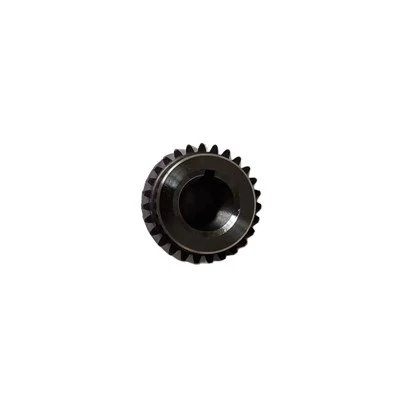
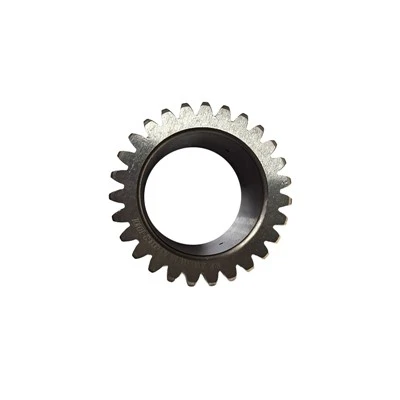
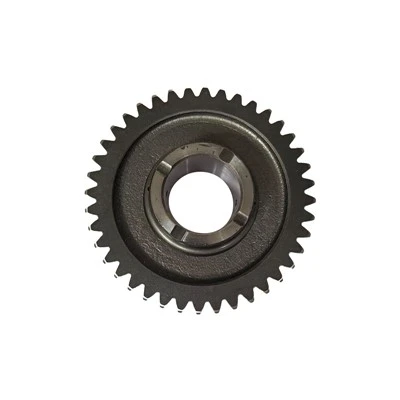
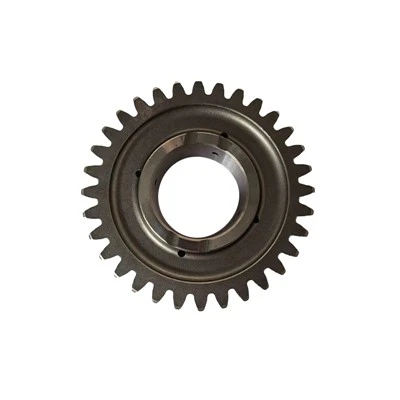
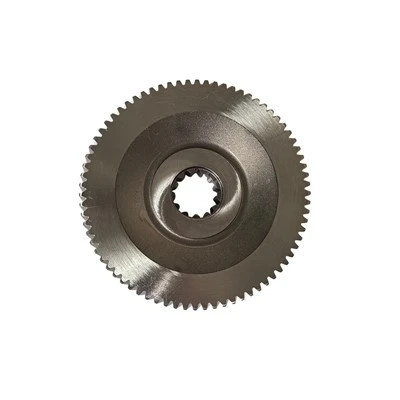
Power transmission shafts are crucial components in various mechanical systems, playing a vital role in transmitting power from one part of a machine to another. As a power transmission shaft supplier, I understand the importance of ensuring that our products meet the highest quality standards. In this blog post, I will discuss the key quality standards for power transmission shafts and how we, as a supplier, adhere to these standards to provide our customers with reliable and high-performance products.
Material Selection
The choice of material is fundamental to the quality of power transmission shafts. Different applications require different materials based on factors such as load capacity, torque, speed, and environmental conditions. Common materials used for power transmission shafts include carbon steel, alloy steel, and stainless steel.
Carbon steel is a popular choice due to its high strength, good machinability, and relatively low cost. It is suitable for many general-purpose applications where high strength and durability are required. Alloy steel, on the other hand, contains additional alloying elements such as chromium, nickel, and molybdenum, which enhance its strength, hardness, and wear resistance. Alloy steel shafts are often used in high-stress applications, such as automotive transmissions and industrial machinery.
Stainless steel is chosen for applications where corrosion resistance is a primary concern. It is commonly used in marine, food processing, and chemical industries. When selecting the material for a power transmission shaft, we carefully consider the specific requirements of the application to ensure that the chosen material can withstand the expected loads and environmental conditions.
Dimensional Accuracy
Dimensional accuracy is another critical quality standard for power transmission shafts. The shaft must be manufactured to precise dimensions to ensure proper fit and alignment with other components in the mechanical system. Even a small deviation in dimension can lead to problems such as excessive vibration, noise, and premature wear of the shaft and other components.
We use advanced manufacturing techniques, such as CNC machining, to ensure high dimensional accuracy. CNC machining allows us to control the cutting tools with high precision, resulting in shafts with tight tolerances. We also perform thorough inspections using precision measuring instruments, such as micrometers, calipers, and coordinate measuring machines (CMMs), to verify that the shafts meet the specified dimensions.
Surface Finish
The surface finish of a power transmission shaft can significantly affect its performance and durability. A smooth surface finish reduces friction and wear, improves the efficiency of power transmission, and prevents the accumulation of dirt and debris. On the other hand, a rough surface finish can cause increased friction, heat generation, and premature failure of the shaft.
We use various surface finishing techniques, such as grinding, polishing, and coating, to achieve the desired surface finish. Grinding is a common method used to remove material and create a smooth surface. Polishing further enhances the surface smoothness, while coating can provide additional protection against corrosion and wear. We carefully select the surface finishing technique based on the specific requirements of the application to ensure optimal performance and durability.

Heat Treatment
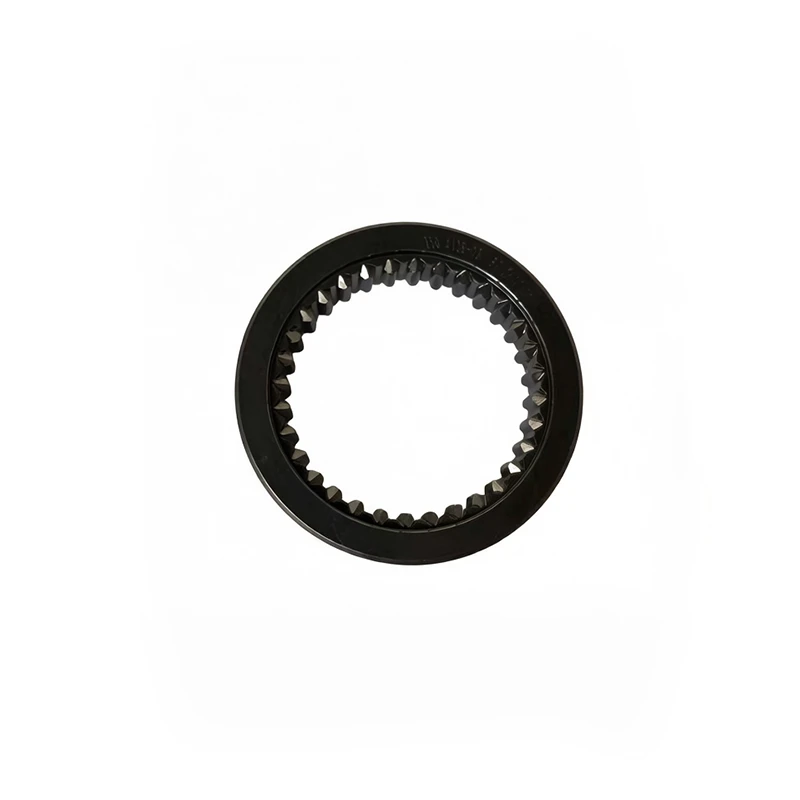
Heat treatment is an important process in the manufacturing of power transmission shafts. It is used to improve the mechanical properties of the shaft, such as hardness, strength, and toughness. Different heat treatment processes, such as annealing, quenching, and tempering, can be used depending on the material and the desired properties of the shaft.
Annealing is a heat treatment process that involves heating the shaft to a specific temperature and then slowly cooling it. It is used to relieve internal stresses, improve machinability, and refine the grain structure of the material. Quenching is a rapid cooling process that involves immersing the heated shaft in a quenching medium, such as oil or water. It is used to increase the hardness and strength of the shaft. Tempering is a subsequent heat treatment process that involves heating the quenched shaft to a lower temperature and then cooling it slowly. It is used to reduce the brittleness of the quenched shaft and improve its toughness.
We carefully control the heat treatment process to ensure that the shaft achieves the desired mechanical properties. We use advanced heat treatment equipment and techniques to ensure accurate temperature control and uniform heating and cooling.
Balancing
Balancing is an essential quality standard for power transmission shafts, especially for high-speed applications. An unbalanced shaft can cause excessive vibration, noise, and premature wear of the shaft and other components in the mechanical system. Vibration can also lead to structural damage and reduced performance of the machine.
We use specialized balancing equipment to ensure that our shafts are properly balanced. The balancing process involves measuring the unbalance of the shaft and then adding or removing material at specific locations to correct the unbalance. We follow strict balancing standards to ensure that the shafts meet the required balance quality.
Quality Control and Testing
To ensure that our power transmission shafts meet the highest quality standards, we have a comprehensive quality control system in place. Our quality control process starts from the raw material inspection and continues throughout the manufacturing process, ending with the final product inspection.
We conduct various tests on the shafts, such as hardness testing, material analysis, and non-destructive testing. Hardness testing is used to verify that the shaft has the correct hardness after heat treatment. Material analysis is used to ensure that the shaft is made of the correct material and meets the specified chemical composition. Non-destructive testing, such as ultrasonic testing and magnetic particle testing, is used to detect any internal defects or surface cracks in the shaft.
Types of Power Transmission Shafts
There are several types of power transmission shafts available, each designed for specific applications. Some of the common types of power transmission shafts include:
- Quick Connect Pto Shaft: A quick connect PTO shaft is designed for easy and quick connection and disconnection between the power source and the driven equipment. It is commonly used in agricultural machinery, such as tractors and combines.
- Auxiliary Transmission Input Shaft: An auxiliary transmission input shaft is used to transmit power from the main transmission to an auxiliary transmission. It is commonly used in heavy-duty trucks and industrial machinery.
- Clutch Input Shaft: A clutch input shaft is used to transmit power from the engine to the transmission through the clutch. It is an important component in manual transmission systems.
- Transmission Intermediate Shaft: A transmission intermediate shaft is used to transfer power between different gears in a transmission. It is commonly used in automotive and industrial transmissions.
- CNC Machined Reverse Gear Shaft: A CNC machined reverse gear shaft is used to provide reverse gear functionality in a transmission. It is precision machined using CNC technology to ensure high dimensional accuracy and performance.
Conclusion
As a power transmission shaft supplier, we are committed to providing our customers with high-quality products that meet the strictest quality standards. By carefully selecting the materials, ensuring dimensional accuracy, achieving a smooth surface finish, performing proper heat treatment, balancing the shafts, and conducting comprehensive quality control and testing, we ensure that our power transmission shafts are reliable, durable, and efficient.
If you are in the market for power transmission shafts, we invite you to contact us to discuss your specific requirements. Our team of experts is ready to assist you in selecting the right shaft for your application and providing you with a competitive quote. We look forward to the opportunity to work with you and contribute to the success of your projects.
References
- ASME B106.1M - Surface Texture (Surface Roughness, Waviness, and Lay)
- ASTM A322 - Standard Specification for Alloy Steel Bars, Quenched and Tempered
- ISO 1940-1 - Mechanical vibration - Balance quality requirements for rotors in a constant (rigid) state - Part 1: Specification and verification of balance tolerances