Yo, what's up folks! I'm stoked to chat about how a gearbox drive shaft works in a front-wheel drive diesel vehicle. As a gearbox drive shaft supplier, I've seen and dealt with all kinds of these bad boys, and I'm gonna break it down for you today.
First off, let's get the basics out of the way. In a front-wheel drive diesel vehicle, the engine is usually mounted transversely, sitting sideways in the engine compartment. This setup is super common because it saves space and simplifies the drive system. The gearbox drive shaft is a key player in getting the power from the engine to the front wheels, where the magic happens.
The engine in a diesel front-wheel drive vehicle generates power through internal combustion. It's a whole process of fuel being injected into the cylinders, compressed, and then ignited to create a powerful burst of energy. This energy makes the engine's crankshaft spin like crazy. But the engine alone can't just do its thing and let the vehicle move. That's where the gearbox and the drive shaft come in.
The gearbox, also known as the transmission, is responsible for controlling the amount of power and the speed that gets sent to the wheels. It does this by using a set of gears that can be engaged and disengaged. You've got different gear ratios, and each one is good for different driving situations. For example, low gears are great for starting from a stop or climbing hills, as they give you more torque but lower speed. High gears, on the other hand, are for cruising at high speeds on the highway, offering less torque but more speed.
Now, the Input Shaft is the first part of the gearbox that receives the power from the engine. It's directly connected to the engine's crankshaft through a clutch. When you're in a manual transmission vehicle, you use the clutch pedal to engage and disengage the input shaft from the engine. In an automatic transmission, it all happens automatically. The input shaft spins at the same speed as the engine's crankshaft, and it transfers the rotational energy into the gearbox.
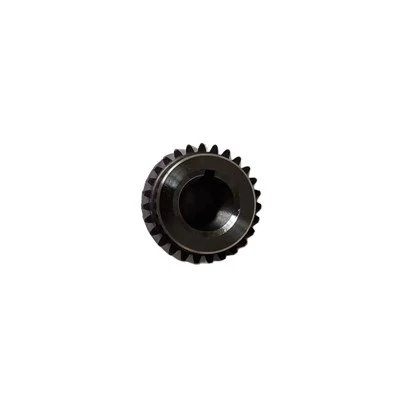
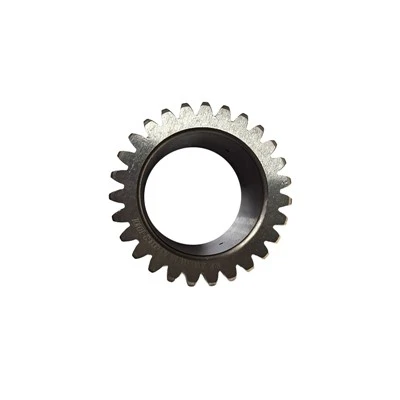
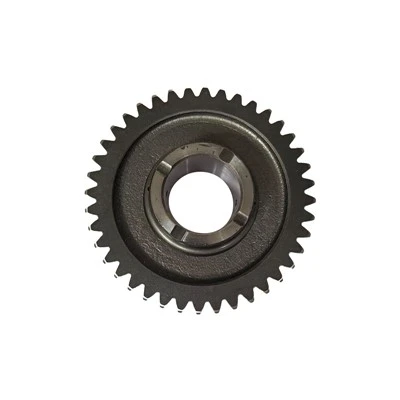
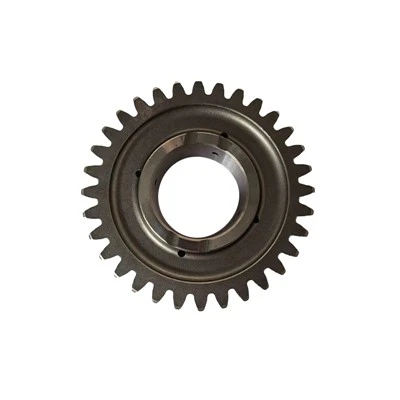
Inside the gearbox, there are a bunch of gears arranged on different shafts. These gears mesh together in different combinations to provide those different gear ratios. The Reverse Idler Shaft is a special shaft in the gearbox. It's used to reverse the direction of rotation of the output shaft, allowing the vehicle to move backward. Without this little guy, we'd be in a real pickle when we needed to back up.
Once the power has gone through the gears and the gearbox has selected the appropriate gear ratio, it's time for the output shaft to do its thing. The output shaft is connected to the drive shaft. The drive shaft is a long, tubular component that's designed to transfer the rotational power from the gearbox to the front wheels. It needs to be strong and durable because it has to handle a lot of stress and torque.
In a front-wheel drive vehicle, there are usually two drive shafts, one for each front wheel. These drive shafts are connected to the output shaft of the gearbox on one end and to the wheel hub on the other end. To allow for the movement of the wheels as the vehicle goes over bumps and turns, the drive shafts use Universal Pto Shaft joints. These joints can flex and bend, which is crucial for maintaining a smooth transfer of power even when the wheels are at different angles.


The Power Transmission Shaft aspect of all this is really important. The drive shaft has to be able to transmit the power efficiently without losing too much energy. If there's a lot of power loss, the vehicle won't perform as well, and you'll end up using more fuel. That's why we, as gearbox drive shaft suppliers, pay a lot of attention to the quality of the materials and the manufacturing process. We use high-strength steel and advanced machining techniques to make sure our drive shafts are up to the task.
Another cool thing about the drive shafts in front-wheel drive diesel vehicles is the Quick Connect Pto Shaft concept. This makes it easier to install and remove the drive shafts when maintenance or repairs are needed. It's a time-saver for mechanics and can reduce the downtime of the vehicle.
Now, let's talk about how the whole system works together when you're driving. When you start the engine, the crankshaft starts spinning, and it transfers the power to the input shaft of the gearbox through the clutch. You then select a gear using the gearshift lever. The gearbox engages the appropriate gears, and the output shaft starts spinning at the right speed and torque for the selected gear.
The drive shafts then take that spinning power from the output shaft and transfer it to the front wheels. As the drive shafts spin, they make the wheels rotate, and the vehicle starts to move. And as you drive, you can shift gears to match different driving conditions. For example, if you're going up a hill, you might shift to a lower gear to get more torque. If you're on a flat road and want to go faster, you can shift to a higher gear.
It's important to note that the whole system needs to be properly maintained. The drive shafts should be inspected regularly for any signs of wear, such as cracks or damage to the universal joints. If there's any problem with the drive shafts, it can lead to a whole host of issues, like vibrations, noise, and even a loss of power to the wheels.
As a gearbox drive shaft supplier, we understand the importance of providing high-quality products. We know that the drive shafts are a critical part of the vehicle's drivetrain, and any failure can be a major headache for the vehicle owner. That's why we're committed to making sure our drive shafts are reliable and built to last.
If you're in the market for gearbox drive shafts or any of the related components like the Reverse Idler Shaft, Universal Pto Shaft, Input Shaft, Power Transmission Shaft, or Quick Connect Pto Shaft, don't hesitate to reach out. We've got the expertise and the products to meet your needs. Whether you're a mechanic looking for parts for your customers or a vehicle manufacturer in need of reliable drive shafts, we're here to help. Let's start a conversation about your requirements, and we can work together to find the perfect solutions for you.
References:
- Automotive Engineering textbooks
- Industry research papers on drivetrain systems
- Manufacturer's technical documentation for front-wheel drive diesel vehicles