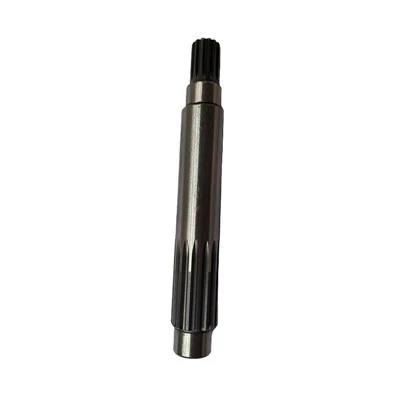
Hey there, gear enthusiasts! If you're someone who's knee - deep in the world of gears, you know that dealing with a reverse driven gear that's acting up can be a real pain in the neck. As a supplier of reverse driven gears, I've seen it all. In this blog, I'm gonna walk you through how to troubleshoot a reverse driven gear step by step.
First things first, let's understand what a reverse driven gear is. It's a crucial component in many mechanical systems. It's designed to reverse the direction of rotation, which is super handy in applications where you need the output to spin in the opposite direction compared to the input. These gears are used in all sorts of machinery, from automotive transmissions to industrial equipment.
Now, let's start with the basics of troubleshooting. When you notice that your reverse driven gear isn't working right, there are a few things you can check out.
1. Noise Inspection
One of the most obvious signs that something's wrong with your reverse driven gear is unusual noise. If you hear grinding, rattling, or whining sounds coming from the gear area, it's a red flag. Grinding noises often indicate that the gear teeth are wearing down or misaligned. Worn - out teeth can't mesh properly, which causes that rough, grinding sound as they try to turn.
To fix this, you might need to replace the gear. But before you do that, you can also check for any debris or foreign objects that might be stuck between the teeth. Sometimes, a small piece of metal or dirt can cause a lot of noise and damage if not removed.
2. Vibration Analysis
Excessive vibration is another sign of trouble. If the gear is vibrating more than normal, it could be due to unbalance. This might happen if the gear has an uneven distribution of mass. You can check for balance by using a vibration analyzer. If it turns out that the gear is unbalanced, you can try to correct it by adding or removing small amounts of material from specific areas of the gear.
Another possible cause of vibration is a loose mounting. Make sure that the gear is properly secured to its shaft and that all the bolts and fasteners are tightened. If the gear is loose, it will wobble as it rotates, causing unnecessary vibration.
3. Temperature Check
The temperature of the gear is also an important indicator. If the reverse driven gear is running too hot, it could mean that there's excessive friction. Friction can be caused by a lack of lubrication. Check the lubricant level and its quality. If the lubricant is old or contaminated, it won't be able to reduce the friction between the gear teeth effectively.
You should also look for any signs of overheating on the gear itself, like discoloration or warping. Overheating can damage the gear's structure and lead to premature failure.


4. Visual Inspection
A simple visual inspection can often reveal a lot. Look for cracks, chips, or any signs of wear on the gear teeth. Cracks can spread over time and cause the gear to break apart. Chips on the teeth can disrupt the smooth meshing of the gears and lead to more serious problems.
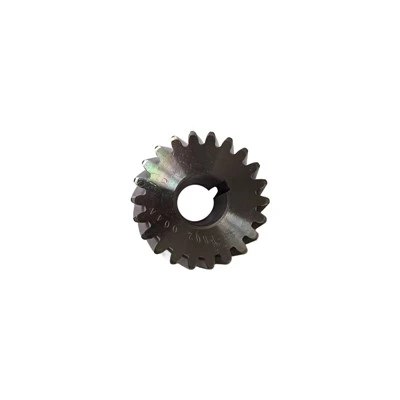
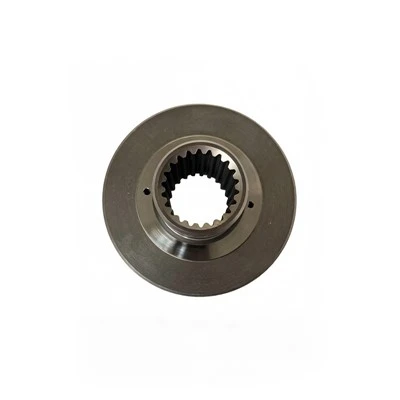
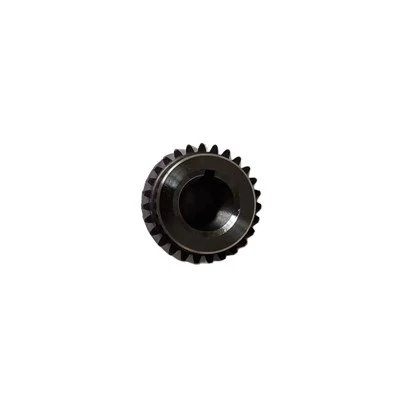
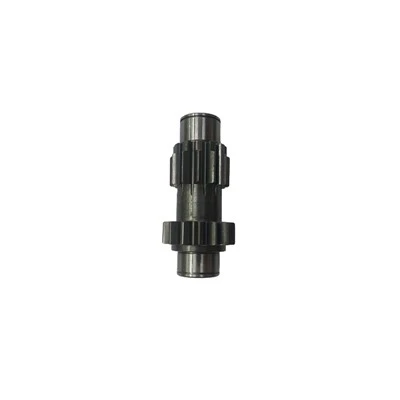
If you see any signs of damage, it's usually best to replace the gear. You can find high - quality replacement gears like Precision Ground Gears, Stock Bevel Gears, PTO High Speed Driven Gear, Front Drive Pinion Gear, and Final Drive Pinion Gear that can fit your specific needs.
5. Alignment Check
Proper alignment is crucial for the smooth operation of a reverse driven gear. Misaligned gears can cause uneven wear, noise, and vibration. You can use alignment tools to check if the gear is in the right position relative to its mating gear and the shaft.
If the alignment is off, you'll need to adjust it. This might involve moving the gear or the shaft slightly. Make sure to follow the manufacturer's guidelines for alignment to ensure optimal performance.
6. Load Testing
Sometimes, the problem might not be with the gear itself but with the load it's carrying. If the gear is overloaded, it will wear out faster and might even break. You can perform load testing to see if the gear is operating within its recommended load capacity.
If the load is too high, you might need to reduce it or upgrade to a more heavy - duty gear. As a supplier, I can help you find the right gear that can handle your specific load requirements.
7. Lubrication System Check
As I mentioned earlier, lubrication is key. Check the entire lubrication system, including the oil pump, filters, and lines. A clogged filter can prevent the proper flow of lubricant to the gear. If the oil pump isn't working correctly, the gear won't get enough lubrication.
Make sure the lubricant you're using is the right type for your reverse driven gear. Different gears have different lubrication requirements, so it's important to use the appropriate one.
In conclusion, troubleshooting a reverse driven gear involves a combination of careful inspection, analysis, and sometimes, replacement. By following these steps, you can identify and fix most problems with your reverse driven gear.
If you're in the market for high - quality reverse driven gears or need more advice on troubleshooting, don't hesitate to reach out. We're here to help you keep your machinery running smoothly. Whether you're looking for a replacement gear or need guidance on maintenance, just let us know. We've got the expertise and the products to meet your needs.
References
- "Mechanical Engineering Design Handbook"
- "Gear Technology: Theory and Practice"