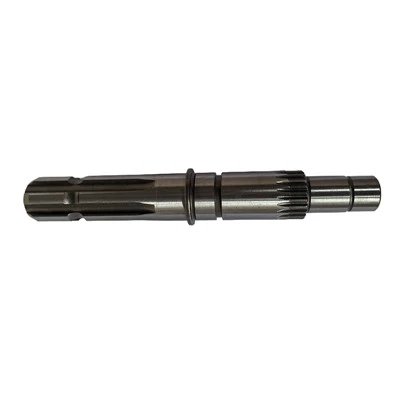
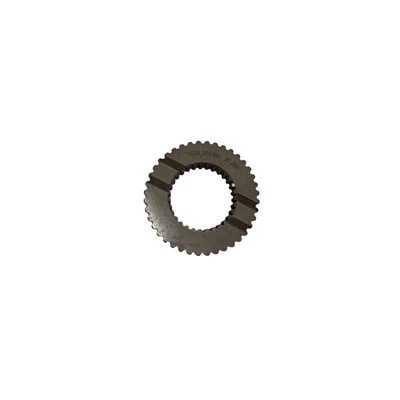
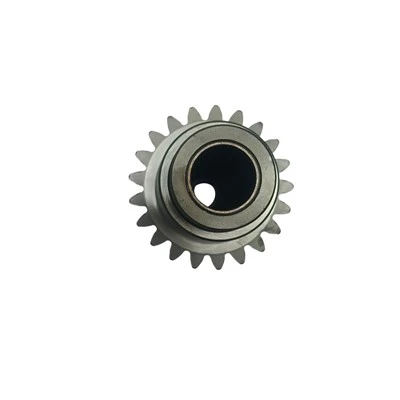
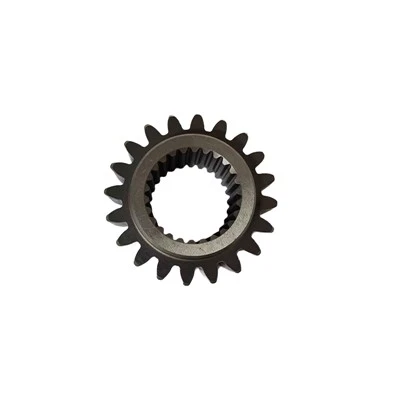
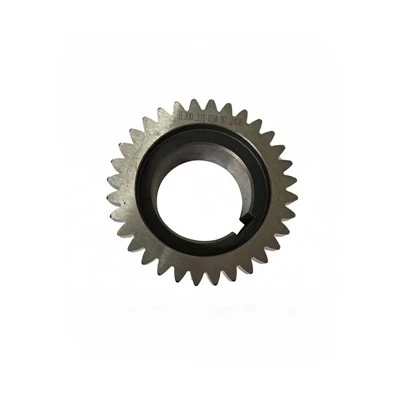
Hey there! As a supplier of precision reduction gears, I've seen my fair share of gear failures over the years. Precision reduction gears are crucial components in many industrial and mechanical applications, but they're not immune to problems. In this blog, I'll walk you through some of the common failures of precision reduction gears and what you can do to prevent them.
Wear and Tear
One of the most common issues with precision reduction gears is wear and tear. Just like any other mechanical part, gears experience friction and stress during operation. Over time, this can cause the gear teeth to wear down, leading to decreased performance and eventually failure.
There are a few factors that can contribute to wear and tear. First, the quality of the gear material plays a big role. If the gears are made from low - quality materials, they're more likely to wear out quickly. Second, the operating conditions matter. For example, if the gears are exposed to high temperatures, heavy loads, or abrasive particles, the wear rate will increase.
To prevent wear and tear, it's important to choose high - quality gears made from durable materials. You should also ensure that the gears are properly lubricated. Lubrication reduces friction between the gear teeth, which in turn reduces wear. Regular maintenance and inspection are also key. By checking the gears regularly, you can catch signs of wear early and replace the gears before they fail completely.
Fatigue Failure
Fatigue failure is another common problem in precision reduction gears. This occurs when the gears are subjected to repeated loading and unloading cycles. Over time, these cycles can cause small cracks to form in the gear teeth. As the cracks grow, they can lead to the complete failure of the gear.
The design of the gear and the magnitude of the loads it experiences are important factors in fatigue failure. Gears with poor design, such as those with sharp corners or improper tooth profiles, are more likely to develop fatigue cracks. High - stress applications also increase the risk of fatigue failure.
To prevent fatigue failure, it's essential to design the gears properly. This includes using appropriate tooth profiles and ensuring that the gears can handle the expected loads. You can also use heat treatment processes to improve the fatigue resistance of the gears. And of course, regular inspection to detect early signs of cracking is crucial.
Misalignment
Misalignment is a major culprit when it comes to gear failures. When the gears are not properly aligned, it can cause uneven loading on the gear teeth. This uneven loading can lead to accelerated wear, noise, and vibration, and ultimately, gear failure.
There are several reasons why misalignment can occur. It could be due to improper installation, wear and tear of the mounting components, or changes in the operating environment. For example, if the machine housing expands or contracts due to temperature changes, it can cause the gears to become misaligned.
To prevent misalignment, proper installation is key. Make sure that the gears are installed according to the manufacturer's specifications. Regularly check the alignment of the gears during maintenance. If misalignment is detected, it should be corrected immediately. You may need to adjust the mounting components or realign the shafts.
Overloading
Overloading is a common cause of gear failure. When the gears are subjected to loads that are higher than their rated capacity, it can cause excessive stress on the gear teeth. This can lead to tooth breakage, deformation, and other forms of damage.
Overloading can occur for various reasons. It could be due to a change in the operating conditions, such as an increase in the load or a decrease in the speed. Sometimes, it's simply a matter of incorrect gear selection. If the gears are not sized correctly for the application, they're more likely to be overloaded.
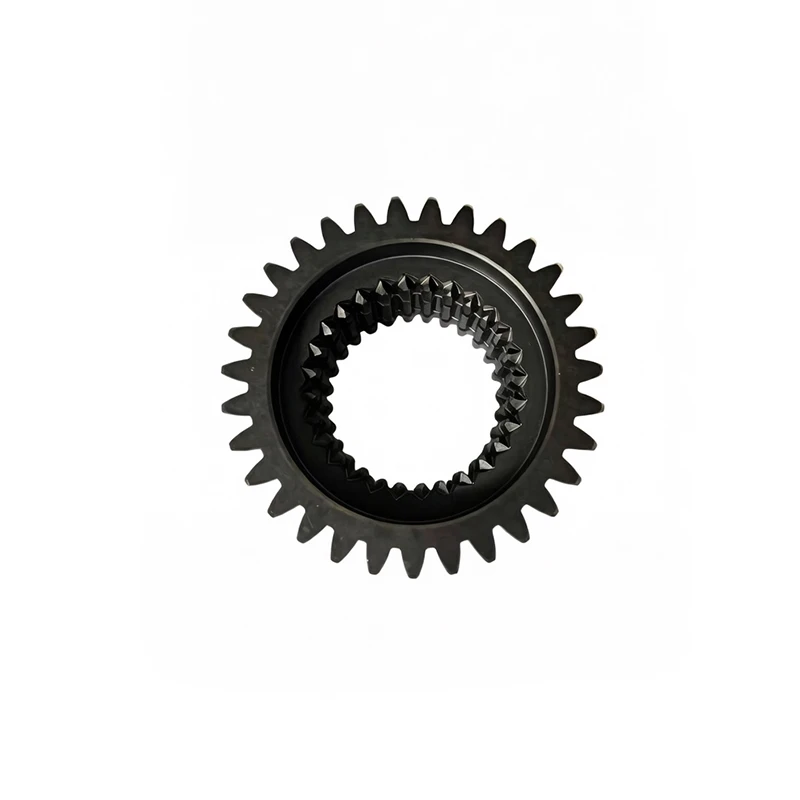
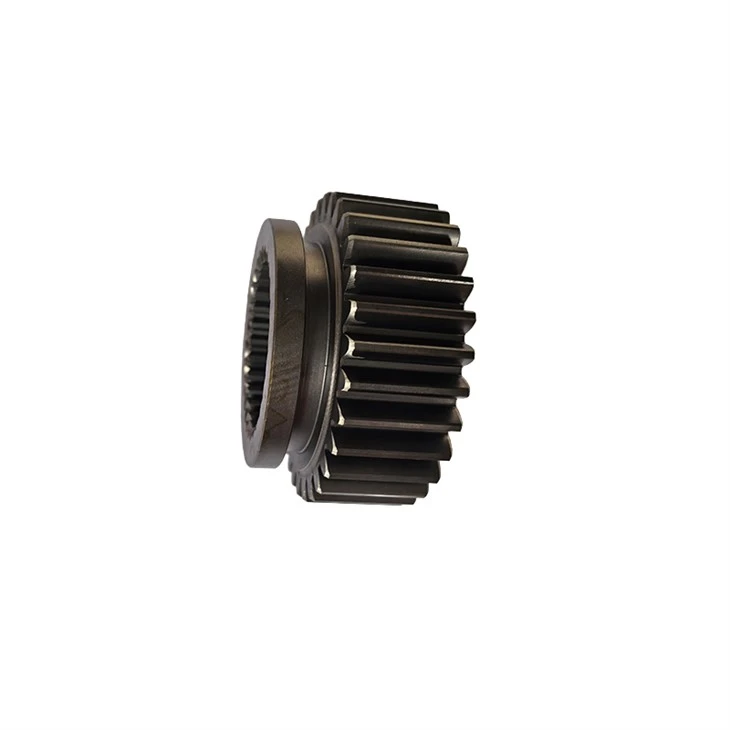
To prevent overloading, it's important to select the right gears for the application. Make sure to consider the load requirements, speed, and other operating conditions when choosing the gears. You should also monitor the operating conditions regularly to ensure that the gears are not being overloaded. If overloading is detected, you may need to reduce the load or replace the gears with ones that can handle the higher load.
Contamination
Contamination can also cause problems for precision reduction gears. When foreign particles, such as dust, dirt, or metal shavings, get into the gearbox, they can cause abrasion and damage to the gear teeth. Contamination can also affect the lubrication properties of the oil, reducing its effectiveness in reducing friction and wear.
There are several sources of contamination. It could come from the environment, such as dust in a factory setting. It could also be generated internally, for example, from the wear of other components in the gearbox.
To prevent contamination, it's important to keep the gearbox clean. Use proper seals and gaskets to prevent foreign particles from entering the gearbox. Regularly change the lubricating oil and filter to remove any contaminants that may have accumulated.
Solutions and Resources
If you're facing issues with your precision reduction gears, there are some great resources available. For fixed high and low gears, you can check out Fixed High And Low Gears. This page provides detailed information about these types of gears and can help you make the right choice for your application.
Precision Ground Gears are another option. These gears are known for their high precision and can be a great solution for applications where accuracy is crucial.
And if you're looking for a final drive pinion gear, Final Drive Pinion Gear is the place to go. It offers a wide range of options to meet your specific needs.
Contact for Purchase and Consultation
If you're in the market for precision reduction gears or need advice on gear selection and maintenance, don't hesitate to reach out. We're here to help you find the best solutions for your application. Whether you're dealing with wear and tear, fatigue failure, or any other gear - related issue, we have the expertise and products to meet your needs.
References
- "Mechanical Engineering Design" by Joseph E. Shigley, Charles R. Mischke, and Richard G. Budynas
- "Gear Handbook: Design, Manufacturing, and Applications" by Darle W. Dudley