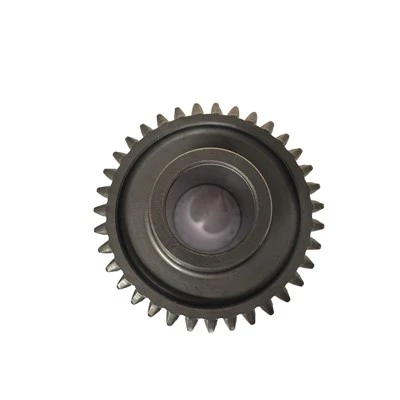
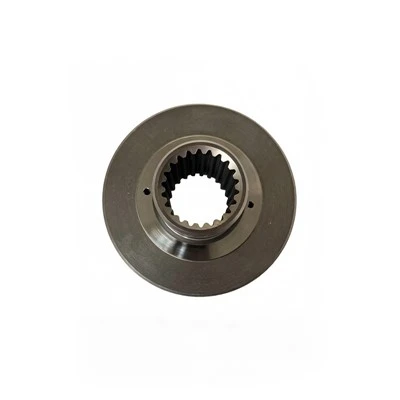
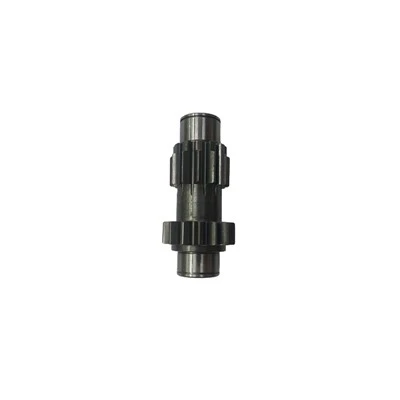
What is the machinability of a billet output shaft? Well, let me break it down for you. As a billet output shaft supplier, I've got a pretty good handle on this topic.
First off, machinability refers to how easily a material can be machined, that is, shaped, cut, or otherwise altered using machine tools. When it comes to billet output shafts, machinability is super important. Why? Because the better the machinability, the more efficiently we can produce high - quality shafts.
Let's talk about the factors that affect the machinability of a billet output shaft. One of the key factors is the material. Billet output shafts are often made from various metals, like steel, aluminum, or alloy. Each material has its own unique properties that influence machinability.
Steel is a popular choice for billet output shafts. It's strong and durable, but its machinability can vary depending on the type of steel. For example, carbon steel is generally easier to machine compared to stainless steel. Carbon steel has a relatively low hardness and good chip - forming characteristics. When we machine carbon steel billet output shafts, the cutting tools can easily penetrate the material, and the chips break off in a manageable way. This means less wear and tear on the tools and a faster machining process.
On the other hand, stainless steel is more resistant to corrosion, which is great for applications where the shaft will be exposed to harsh environments. However, it's also harder and more difficult to machine. The high chromium content in stainless steel makes it prone to work - hardening, which means that as we cut the material, it becomes harder, and the cutting tools have to work harder. This can lead to shorter tool life and slower machining speeds.
Aluminum is another material used for billet output shafts. It's lightweight and has excellent machinability. Aluminum is soft and easy to cut, so we can use high - speed machining techniques. The chips produced during the machining of aluminum are small and easy to remove, which helps to keep the cutting area clean and reduces the risk of tool damage. Plus, aluminum doesn't work - harden as much as steel, so the cutting tools can maintain their sharpness for longer.
Alloy materials offer a combination of properties from different metals. They can be designed to have specific strength, hardness, and corrosion - resistance characteristics. However, the machinability of alloys can be more complex. Some alloys may have hard particles or inclusions that can cause problems during machining. For example, an alloy with a high percentage of tungsten or titanium may be very hard and difficult to cut.
The heat treatment of the billet also plays a role in machinability. Heat treatment can change the microstructure of the material, which in turn affects its hardness and toughness. If a billet output shaft is over - hardened through heat treatment, it will be more difficult to machine. The cutting tools will experience more wear, and the surface finish of the shaft may be poor. On the other hand, if the billet is not properly heat - treated, it may be too soft, and the shaft may not have the required strength and durability.
The geometry of the billet output shaft is another factor. Complex shapes and tight tolerances can make machining more challenging. For example, if a shaft has a lot of grooves, holes, or irregular surfaces, it will take more time and effort to machine. The cutting tools may have to access hard - to - reach areas, and the risk of tool breakage is higher.
Now, let's talk about the benefits of good machinability. When a billet output shaft has good machinability, we can produce it more quickly and at a lower cost. We can use high - speed machining techniques, which means that we can complete the machining process in less time. This reduces the labor and energy costs associated with production.
Good machinability also leads to better surface finish. A smooth surface finish is important for the performance of the output shaft. It reduces friction and wear, which can extend the lifespan of the shaft and the equipment it's used in. For example, in a Transmission Intermediate Shaft, a smooth surface finish can improve the efficiency of power transfer.
In addition, good machinability allows for more precise machining. We can achieve tighter tolerances, which means that the output shaft will fit more accurately into the equipment. This is crucial for applications where precision is key, such as in Power Transmission Shaft systems.
As a billet output shaft supplier, we strive to provide shafts with excellent machinability. We carefully select the materials, control the heat treatment process, and use advanced machining techniques to ensure that our shafts are easy to machine and meet the highest quality standards.
If you're in the market for billet output shafts, you might also be interested in Power Take - Off PTO Shaft. These shafts are used to transfer power from a vehicle or engine to other equipment. Just like billet output shafts, their performance and quality are affected by machinability.


Whether you're looking for a standard billet output shaft or a custom - designed one, we've got you covered. We have the expertise and the resources to produce high - quality shafts that meet your specific requirements. If you have any questions or if you're ready to start a project, don't hesitate to reach out. We're here to help you with all your billet output shaft needs.
References
- "Metals Handbook: Machining", ASM International
- "Manufacturing Engineering and Technology", Serope Kalpakjian and Steven Schmid