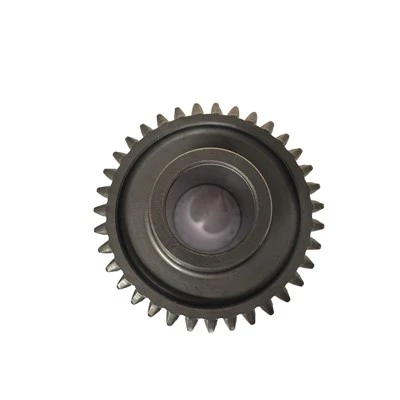
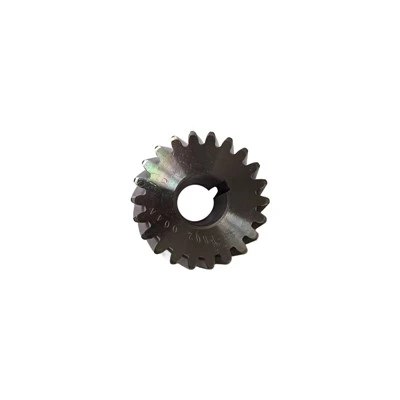
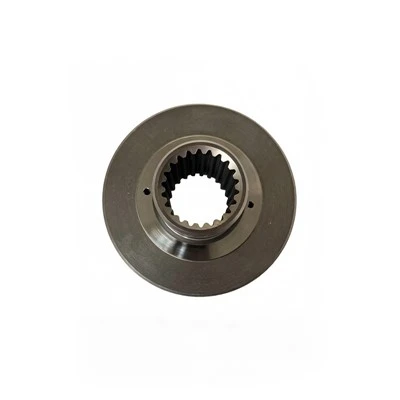
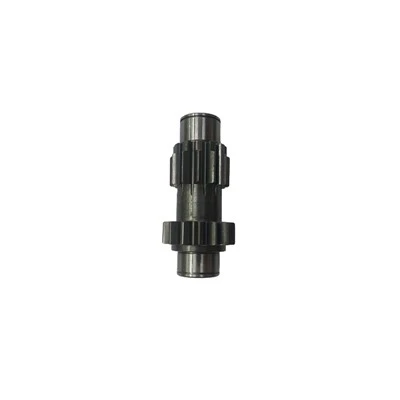
As a supplier of PTO High Speed Driven Gears, I understand the critical role these components play in various industrial applications. The efficiency of PTO High Speed Driven Gears is not only crucial for the smooth operation of machinery but also for optimizing productivity and reducing costs. In this blog, I will share some effective strategies to improve the efficiency of these gears based on my experience in the industry.
1. Material Selection
The choice of material for PTO High Speed Driven Gears has a significant impact on their efficiency. High - quality materials with excellent mechanical properties can withstand high - speed operation and heavy loads, reducing wear and tear. For example, alloy steels are commonly used due to their high strength, hardness, and good fatigue resistance. These materials can handle the high stresses generated during high - speed rotation, ensuring a longer service life and better efficiency.
When selecting materials, it is also important to consider the specific operating conditions of the gears. If the gears are operating in a corrosive environment, materials with corrosion - resistant properties such as stainless steel should be chosen. Additionally, the material's heat - treatment response is crucial. Proper heat treatment can enhance the hardness and toughness of the gears, improving their overall performance.
2. Gear Design and Manufacturing
- Tooth Profile Design
The tooth profile of PTO High Speed Driven Gears is a key factor in determining their efficiency. A well - designed tooth profile can reduce friction and noise during meshing. For instance, involute tooth profiles are widely used because they provide smooth and continuous contact between the gears, minimizing power losses. Advanced design techniques, such as computer - aided design (CAD), can be employed to optimize the tooth profile for maximum efficiency. - Manufacturing Precision
High - precision manufacturing is essential for efficient PTO High Speed Driven Gears. Any deviation in the manufacturing process can lead to uneven load distribution, increased friction, and reduced efficiency. Precision machining techniques, such as Precision Ground Gears, ensure that the gears have accurate dimensions and smooth surfaces. This reduces the contact stress between the gears and improves the meshing quality, resulting in higher efficiency.
3. Lubrication
Proper lubrication is vital for the efficient operation of PTO High Speed Driven Gears. Lubricants reduce friction between the gear teeth, dissipate heat, and prevent wear and corrosion. When selecting a lubricant, factors such as viscosity, temperature range, and load - carrying capacity should be considered.
For high - speed applications, lubricants with low viscosity are preferred as they can flow easily between the gear teeth, reducing drag. However, the lubricant must also have sufficient load - carrying capacity to protect the gears under heavy loads. Regular lubricant maintenance, including oil changes and filtration, is necessary to ensure the lubricant's effectiveness over time.
4. Maintenance and Inspection
- Regular Maintenance
Regular maintenance of PTO High Speed Driven Gears is essential to keep them in optimal condition. This includes cleaning the gears, checking for wear and damage, and tightening any loose components. By performing routine maintenance, potential problems can be detected early, preventing costly breakdowns and improving the overall efficiency of the gears. - Inspection
Periodic inspections of the gears are also crucial. Non - destructive testing methods, such as ultrasonic testing and magnetic particle inspection, can be used to detect internal defects in the gears. Visual inspections can identify signs of wear, such as pitting, scoring, and tooth breakage. By addressing these issues promptly, the efficiency of the gears can be maintained.
5. System Integration
The PTO High Speed Driven Gears do not operate in isolation but are part of a larger mechanical system. Ensuring proper system integration is important for improving their efficiency. This includes aligning the gears correctly with other components, such as shafts and bearings. Misalignment can cause uneven load distribution, increased friction, and premature wear of the gears.
In addition, the overall system design should be optimized to minimize power losses. For example, reducing the number of intermediate components and using efficient transmission mechanisms can improve the power transfer efficiency of the system.

6. Upgrading and Retrofit
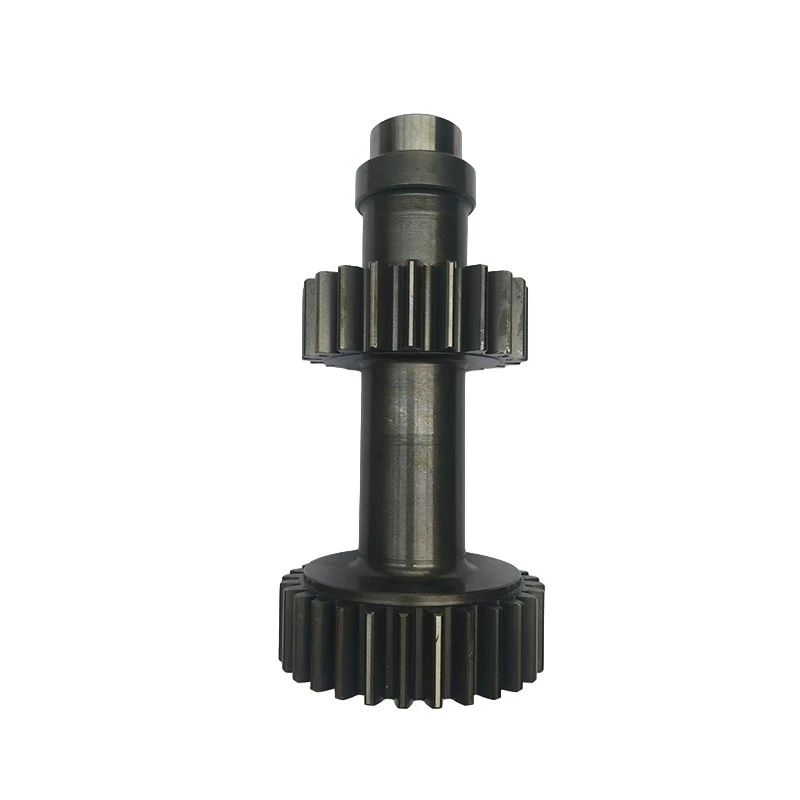
As technology advances, upgrading and retrofitting existing PTO High Speed Driven Gears can be a cost - effective way to improve their efficiency. Newer gear designs, materials, and manufacturing techniques can offer significant performance improvements. For example, upgrading to Left Axle Gear with a more advanced design can enhance the overall efficiency of the system.
Retrofitting can also involve adding features such as improved lubrication systems or vibration dampers. These upgrades can help to reduce friction, noise, and wear, resulting in higher efficiency.
7. Training and Operator Awareness
Operators play a crucial role in the efficient operation of PTO High Speed Driven Gears. Providing proper training to operators can help them understand the importance of gear efficiency and how to operate the machinery correctly. This includes teaching them about the correct lubrication procedures, maintenance schedules, and signs of potential problems.
Operator awareness can also contribute to improved efficiency. By being vigilant and reporting any abnormal noises or vibrations, operators can help to detect issues early, preventing further damage to the gears.
In conclusion, improving the efficiency of PTO High Speed Driven Gears requires a comprehensive approach that includes material selection, design and manufacturing, lubrication, maintenance, system integration, upgrading, and operator training. By implementing these strategies, we can ensure that the gears operate at their best, reducing costs and improving productivity.
If you are interested in purchasing high - quality PTO High Speed Driven Gears or have any questions about improving their efficiency, please feel free to contact us for a detailed discussion and procurement negotiation.
References
- Budynas, R. G., & Nisbett, J. K. (2011). Shigley's Mechanical Engineering Design. McGraw - Hill.
- Dudley, D. W. (1994). Handbook of Practical Gear Design and Manufacture. CRC Press.