Final drive pinion gears are crucial components in many mechanical systems, especially in automotive and industrial machinery. The performance of these gears can significantly influence the overall efficiency, reliability, and functionality of the equipment. In this blog, as a final drive pinion gear supplier, we will explore how various modifications can affect the performance of the final drive pinion gear.
1. Material Modifications
The choice of material for a final drive pinion gear is fundamental in determining its performance. Traditionally, alloy steels such as 20CrMnTi, 40Cr, etc., are widely used due to their high strength and good wear - resistance. However, modern manufacturing techniques allow for the use of more advanced materials.
For example, when we replace the common alloy steel with high - performance carburizing steel, the surface hardness and core toughness of the pinion gear can be improved. The carburizing process can create a hard outer layer that resists wear, while the tough core can withstand high - impact loads. This modification can lead to a longer service life of the gear, reducing the frequency of replacements and maintenance costs.
On the other hand, using powder metallurgy materials can also bring some performance changes. Powder metallurgy allows for the precise control of the material's composition and structure. Gears made from powder metallurgy materials can have a more uniform microstructure, which can enhance their fatigue resistance. However, these materials may have lower ductility compared to traditional steels, which means they may be more prone to brittle fracture under certain extreme conditions.
2. Heat Treatment Modifications
Heat treatment is a critical process in the manufacturing of final drive pinion gears. There are several common heat treatment methods, such as quenching and tempering, carburizing, and nitriding.
If we change the quenching temperature and cooling rate, it can directly affect the hardness and toughness of the gear. For instance, a higher quenching temperature may increase the hardness of the gear, but it can also lead to increased internal stress, which may cause cracking during subsequent processing or in service. By optimizing the quenching parameters, we can achieve a better balance between hardness and toughness.
Carburizing is often used to improve the surface hardness of the gear. The depth and carbon content of the carburized layer can be adjusted according to the specific requirements of the application. A deeper and higher - carbon carburized layer can improve the wear - resistance and load - carrying capacity of the gear. However, an overly thick carburized layer may also cause brittleness.
Nitriding is another effective heat treatment method. It can form a hard nitride layer on the surface of the gear, which has excellent wear - resistance, corrosion - resistance, and anti - seizure properties. Nitriding can also improve the fatigue strength of the gear, especially under high - frequency loading conditions.
3. Geometric Modifications
The geometric parameters of a final drive pinion gear, such as the number of teeth, module, pressure angle, and helix angle, have a profound impact on its performance.
Changing the number of teeth can affect the gear ratio and the contact stress between the gears. A larger number of teeth can reduce the contact stress, which is beneficial for improving the load - carrying capacity and reducing wear. However, it may also increase the size and weight of the gear system.
The module of the gear determines the size of the teeth. A larger module means larger teeth, which can withstand higher loads. But it also requires more space and may increase the inertia of the system.
The pressure angle affects the force transmission between the gears. A larger pressure angle can increase the load - carrying capacity, but it may also increase the sliding friction between the teeth, leading to higher power losses and more heat generation.
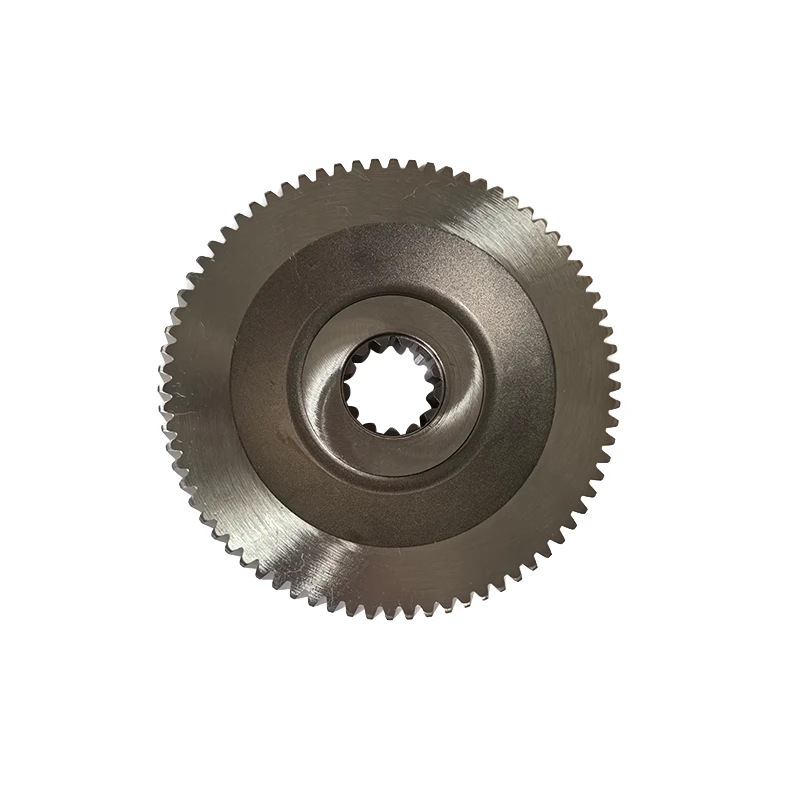
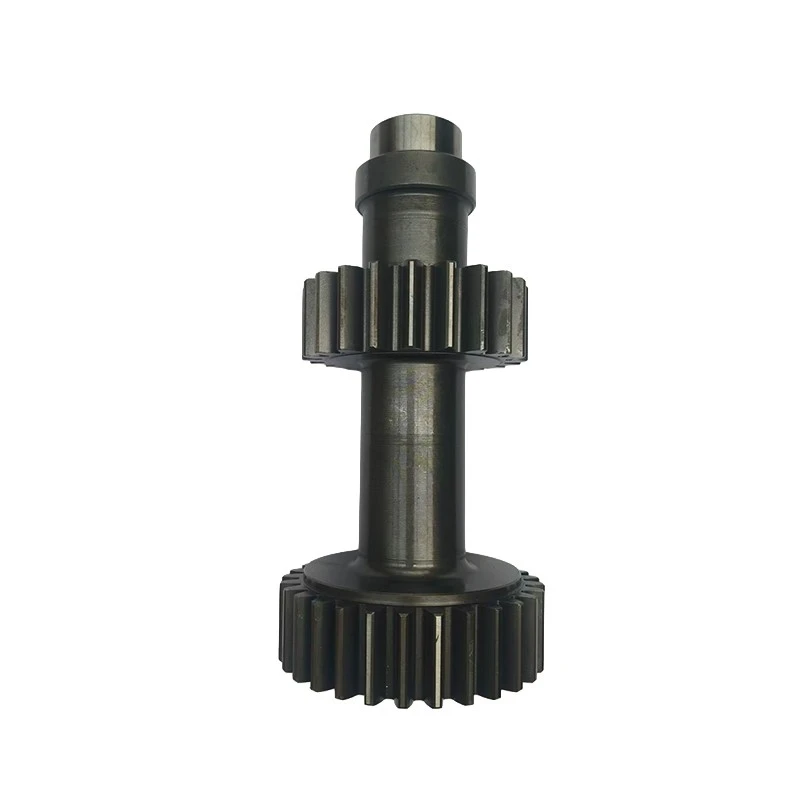
The helix angle is an important parameter for helical gears. A proper helix angle can improve the meshing performance of the gears, reduce noise, and increase the load - sharing capacity. However, an inappropriate helix angle may cause axial forces, which need to be properly balanced.
4. Surface Modification
Surface modification techniques can significantly improve the performance of final drive pinion gears. One of the common surface modification methods is coating.
For example, applying a titanium nitride (TiN) coating on the gear surface can improve its hardness and wear - resistance. The TiN coating has a low friction coefficient, which can reduce the power losses due to friction. It can also protect the gear surface from corrosion and oxidation.
Another surface modification method is shot peening. Shot peening can introduce compressive stress on the gear surface, which can improve the fatigue strength of the gear. The compressive stress can prevent the initiation and propagation of cracks, especially under cyclic loading conditions.
5. Impact on Overall System Performance
The modifications of the final drive pinion gear can also affect the performance of the entire mechanical system. For example, if the gear's wear - resistance is improved, the overall reliability of the system can be enhanced. This means fewer breakdowns and longer maintenance intervals, which can save a lot of time and cost for the users.
If the power losses of the gear are reduced through surface modifications or geometric optimizations, the energy efficiency of the system can be improved. This is especially important for applications where energy conservation is a key concern, such as in electric vehicles or industrial automation systems.
Moreover, the noise and vibration levels of the system can be influenced by the performance of the final drive pinion gear. By optimizing the gear's meshing performance through geometric modifications or surface treatments, the noise and vibration can be reduced, providing a more comfortable working environment.
6. Related Products and Links
As a final drive pinion gear supplier, we also offer a wide range of related products. You can check out our Left Axle Gear, Front Drive Pinion Gear, and Reverse Driven Gear Reverse Driven Gear for more options that can complement your final drive pinion gear requirements.
7. Invitation to Contact
If you are interested in our final drive pinion gears or any of our other products, we welcome you to contact us for procurement and further discussions. We have a team of experienced engineers who can provide you with professional advice and customized solutions according to your specific needs. Whether you are in the automotive industry, industrial machinery manufacturing, or other related fields, we are confident that we can meet your gear requirements.
References
- "Mechanical Design of Machine Elements and Machines: A Failure - Prevention Perspective" by Jack A. Collins
- "Gear Geometry and Applied Theory" by Joseph E. Shigley and John J. Uicker
- "Fundamentals of Machine Elements" by Robert C. Juvinall and Kurt M. Marshek