Hey there! As a supplier of Shaft Mounted Clutches, I often get asked about the heat dissipation requirements for these nifty devices. So, I thought I'd take a moment to break it down for you.
First off, let's understand what a Shaft Mounted Clutch does. A Shaft Mounted Clutch is a mechanical device that connects two shafts together, allowing them to transmit power when engaged and disengage when needed. They're used in a wide range of applications, from industrial machinery to automotive systems.
Now, when these clutches are in operation, they generate heat. This heat comes from the friction between the clutch plates when they engage and disengage. If this heat isn't dissipated properly, it can cause a whole host of problems. The clutch plates can wear out faster, the lubricant can break down, and in extreme cases, the clutch can even fail.
So, what are the heat dissipation requirements for a Shaft Mounted Clutch? Well, it depends on a few factors.
Factors Affecting Heat Dissipation
1. Operating Conditions
The environment in which the clutch operates plays a big role. If the clutch is used in a high - temperature environment, like an industrial furnace area, it will have a harder time dissipating heat. Similarly, if the clutch is in a dusty or dirty environment, the dust can insulate the clutch, reducing its ability to transfer heat to the surrounding air.
2. Engagement Frequency
How often the clutch engages and disengages also matters. If the clutch is constantly being engaged and disengaged, it will generate more heat compared to a clutch that is used less frequently. For example, in a machine that requires rapid start - stop cycles, the clutch will generate a significant amount of heat.
3. Power Transmission
The amount of power being transmitted through the clutch is another important factor. A clutch that is transmitting a high amount of power will generate more heat than one that is transmitting less power. Think of it like a muscle - the more work it does, the hotter it gets.
Heat Dissipation Methods
1. Natural Convection
This is the simplest method of heat dissipation. The clutch radiates heat to the surrounding air. The design of the clutch can play a big role here. For example, a clutch with fins or a large surface area will be able to dissipate heat more effectively through natural convection. The air around the clutch absorbs the heat and carries it away.
2. Forced Convection
In some cases, natural convection isn't enough. That's where forced convection comes in. This involves using a fan or a blower to blow air over the clutch. The moving air helps to carry away the heat more quickly. Forced convection is often used in high - performance applications or in environments where the ambient temperature is high.
3. Liquid Cooling
Some Shaft Mounted Clutches use liquid cooling. A coolant, usually oil, is circulated through the clutch. The coolant absorbs the heat from the clutch plates and then transfers it to a radiator or a heat exchanger. Liquid cooling is very effective at dissipating large amounts of heat and is commonly used in heavy - duty applications.
Importance of Meeting Heat Dissipation Requirements
Meeting the heat dissipation requirements is crucial for the longevity and performance of the Shaft Mounted Clutch. If the heat isn't dissipated properly, the clutch will experience premature wear and tear. The clutch plates can become warped or damaged, which can lead to slipping and reduced power transmission.
Moreover, overheating can also affect the lubricant in the clutch. The lubricant helps to reduce friction between the clutch plates and also helps in heat transfer. When the clutch overheats, the lubricant can break down, losing its effectiveness. This can further exacerbate the heat problem and lead to more damage.
Specific Heat Dissipation Requirements
There isn't a one - size - fits - all answer when it comes to heat dissipation requirements. However, as a general rule, the clutch should be able to dissipate heat at a rate that keeps the temperature of the clutch plates within a safe operating range. This range typically depends on the materials used in the clutch plates and the lubricant.
For most industrial Shaft Mounted Clutches, the safe operating temperature is usually between 80 - 120 degrees Celsius. If the temperature exceeds this range, the clutch is at risk of damage.
To determine the exact heat dissipation requirements for a specific application, you need to consider the factors we discussed earlier - operating conditions, engagement frequency, and power transmission. You may also need to consult with an engineer or use specialized software to calculate the heat generation and dissipation rates.
Related Components and Their Impact on Heat Dissipation
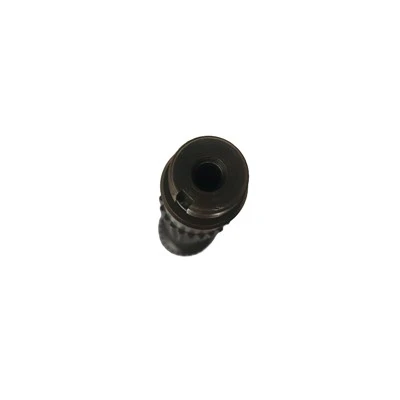
Other components in the system can also affect the heat dissipation of the Shaft Mounted Clutch. For example, the Pto Input Shaft is an important part of the power transmission system. If the Pto Input Shaft is not properly aligned or has excessive friction, it can increase the load on the clutch and generate more heat.
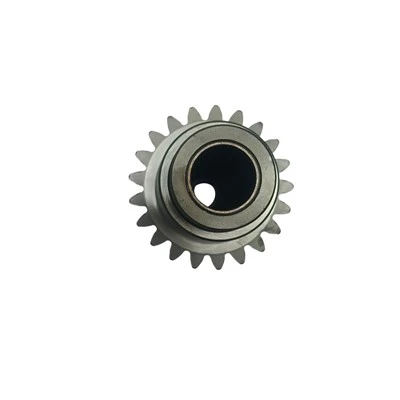
Similarly, the Planetary Gear Shaft can also impact the clutch's performance. A well - designed planetary gear system can help to distribute the load evenly, reducing the stress on the clutch and thus reducing heat generation.
Wrapping Up
In conclusion, understanding the heat dissipation requirements for a Shaft Mounted Clutch is essential for ensuring its proper operation and longevity. By considering the operating conditions, engagement frequency, and power transmission, you can determine the best heat dissipation method for your application.
If you're in the market for a Shaft Mounted Clutch or have any questions about heat dissipation requirements, feel free to reach out. We're here to help you find the right solution for your needs. Whether you need a clutch for a small - scale application or a heavy - duty industrial machine, we've got you covered.
Let's have a chat about your specific requirements and see how we can work together to get the best performance out of your Shaft Mounted Clutch.
References
- Mechanical Engineering Handbook, various editions
- Clutch Design and Application Manuals from industry manufacturers