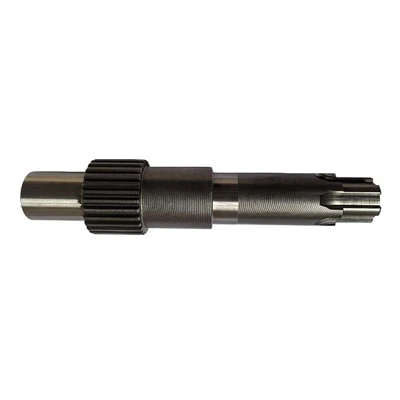
Hey there! As a supplier of Planetary Gear Shafts, I've been keeping a close eye on the trends and potential developments in this field. So, let's talk about how future planetary gear shaft technology will develop.
Current State of Planetary Gear Shafts
First off, let's quickly cover where we're at right now. Planetary gear shafts play a crucial role in a wide range of applications, from automotive transmissions to industrial machinery. They're known for their high torque density, compact design, and efficient power transfer. In today's market, we see a lot of demand for reliable and durable planetary gear shafts that can handle different speeds and loads.
But like any technology, there's always room for improvement. The current challenges we face include issues like reducing friction and wear, improving efficiency, and dealing with the high - tech requirements of modern applications. For example, in the automotive industry, with the rise of electric and hybrid vehicles, the gear shafts need to work in harmony with new power sources and control systems.
Material Advancements
One of the key areas where we'll see significant development is in materials. Traditional steel has been the go - to material for planetary gear shafts for a long time. However, new materials are emerging that could revolutionize the game.
Composite materials are on the rise. They offer a great combination of low weight and high strength. For instance, carbon - fiber composites can reduce the weight of the gear shaft without sacrificing its mechanical properties. This is a huge advantage, especially in applications where weight reduction is critical, like aerospace and high - performance automotive. As a supplier, we're constantly looking into how to incorporate these composite materials into our production processes. You can check out more about shafts and materials in general on pages like Idler Gear Shaft, where the influence of materials on shaft performance is also relevant.
Another area of material development is in the field of ceramics. Ceramic materials have excellent wear resistance and can operate at high temperatures. This makes them ideal for high - stress applications, such as in heavy - duty industrial machinery. Although ceramics are more brittle than metals, new manufacturing techniques are being developed to overcome this limitation.
Design Improvements
The design of planetary gear shafts is also set to change in the future. With the help of advanced computer - aided design (CAD) and simulation tools, we can optimize the shape and structure of the gear shafts for better performance.
For example, we can use topology optimization to remove unnecessary material from the shaft while maintaining its strength. This not only reduces weight but also improves the overall efficiency of the gear system. Additionally, new geometric designs are being explored to enhance the meshing of the gears, which can reduce noise and vibration.
Another aspect of design improvement is in the area of modularity. Modular planetary gear shafts allow for easier assembly, disassembly, and replacement. This is a huge advantage in terms of maintenance and repair costs. In industrial settings, being able to quickly swap out a faulty gear shaft can save a lot of downtime and money. You can get an idea of how well - designed shafts work in different systems by looking at Gearbox Drive Shaft.
Integration with Smart Technologies
The future of planetary gear shaft technology is closely tied to the rise of smart technologies. We're moving towards a world where machines are becoming more intelligent and connected. Planetary gear shafts are no exception.
Sensors can be integrated into the gear shafts to monitor parameters such as temperature, vibration, and torque. This real - time data can be used to detect early signs of wear or failure, allowing for predictive maintenance. By replacing parts before they break down completely, we can avoid costly repairs and unplanned downtime.
Moreover, the data collected from these sensors can be analyzed using artificial intelligence (AI) algorithms. AI can help in optimizing the performance of the gear shaft by adjusting parameters such as speed and load distribution. This means that the gear shaft can adapt to different operating conditions in real - time, improving overall system efficiency. Similar smart technologies can be seen in use on Power Take - Off PTO Shaft.
Energy Efficiency and Sustainability
In today's world, energy efficiency and sustainability are top priorities. The development of planetary gear shaft technology will also be driven by these factors.
Manufacturers are looking for ways to reduce the energy consumption of gear systems. This can be achieved through better design, material selection, and lubrication. For example, using low - friction coatings on the gear shafts can reduce the amount of energy lost due to friction. Additionally, more efficient lubricants can improve the overall performance of the gear system and extend its lifespan.
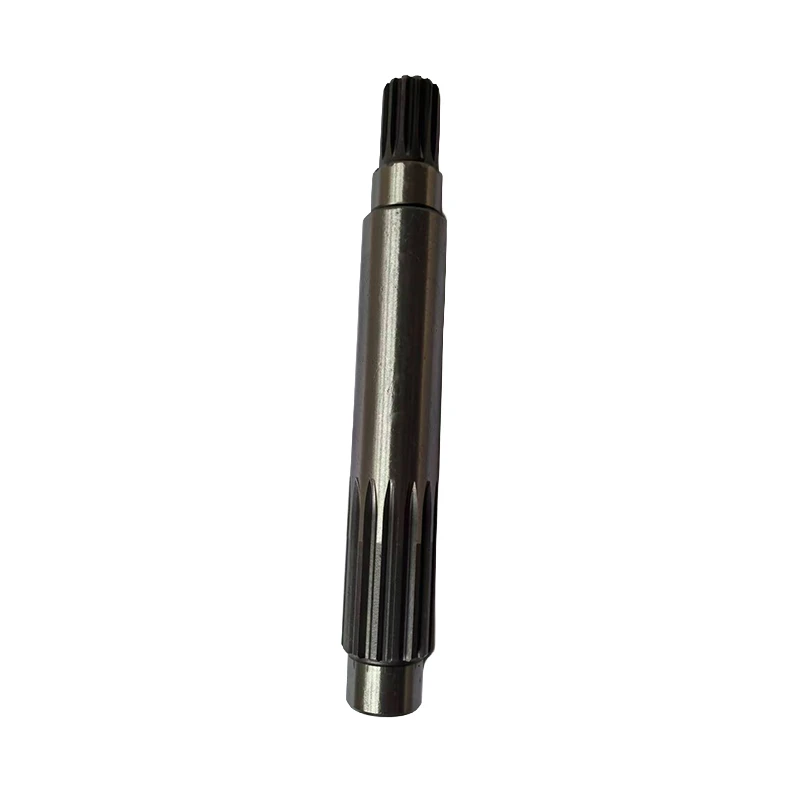

Sustainability is also about reducing the environmental impact of manufacturing processes. This includes using recycled materials and reducing waste. As a supplier, we're committed to finding ways to make our production processes more sustainable, such as by optimizing our manufacturing methods to reduce raw material usage. You can learn more about how shafts fit into sustainable systems on Auxiliary Transmission Input Shaft.
Impact on Different Industries
The development of planetary gear shaft technology will have a significant impact on various industries.
In the automotive industry, the new technology will enable more efficient and compact transmissions. This is especially important for electric and hybrid vehicles, where space and efficiency are critical. Planetary gear shafts can help in achieving better power delivery and range.
In the aerospace industry, lightweight and high - performance gear shafts are essential for reducing the weight of aircraft and improving fuel efficiency. The use of composite materials and advanced designs will enable the development of more reliable and efficient aerospace gear systems.
In the industrial machinery sector, the ability to monitor and optimize the performance of gear shafts will lead to increased productivity and reduced maintenance costs. This is crucial for factories and other industrial facilities that rely on continuous operation. You can also explore ways these shafts work in different setups on Shaft Mounted Clutch.
Contact for Purchase and Collaboration
If you're in the market for high - quality planetary gear shafts or are interested in collaborating on new technology developments, don't hesitate to reach out. We're here to provide you with the best solutions tailored to your needs. Our team of experts is always ready to answer your questions and discuss how our products can fit into your applications.
References
- Smith, J. (2020). "Advances in Gear Shaft Technology". Journal of Mechanical Engineering.
- Johnson, A. (2021). "Sustainable Manufacturing of Gear Components". International Journal of Sustainable Engineering.
- Brown, C. (2022). "Smart Sensors in Gear Systems". Sensor Technology Magazine.