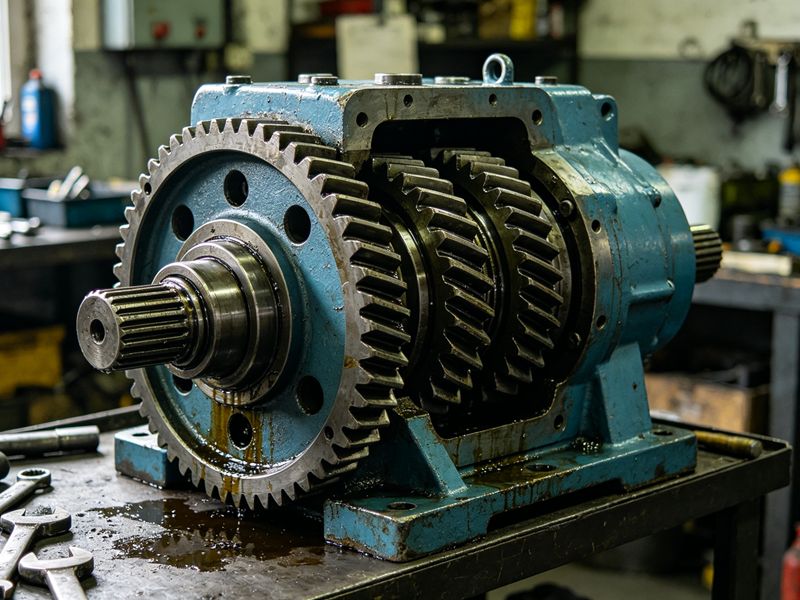
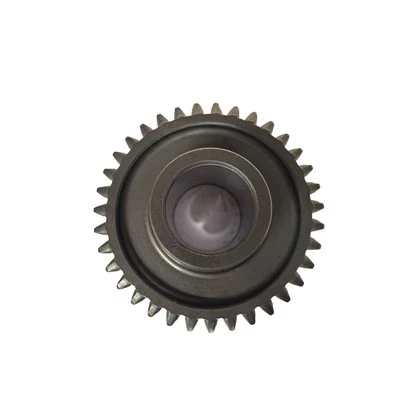
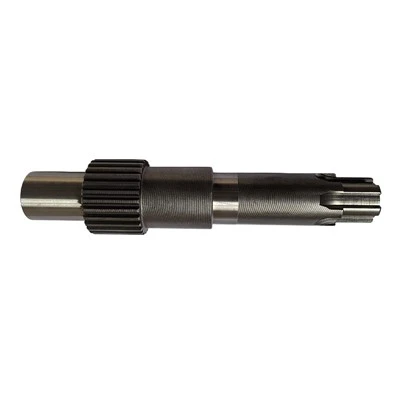
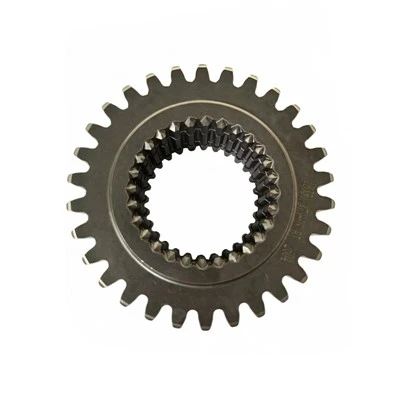
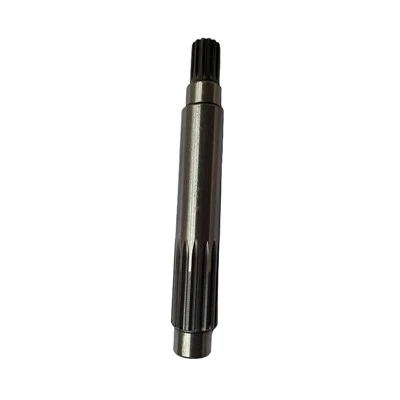
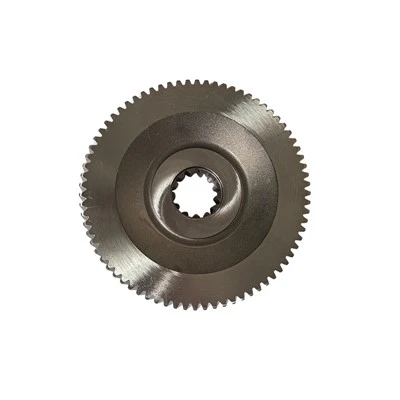
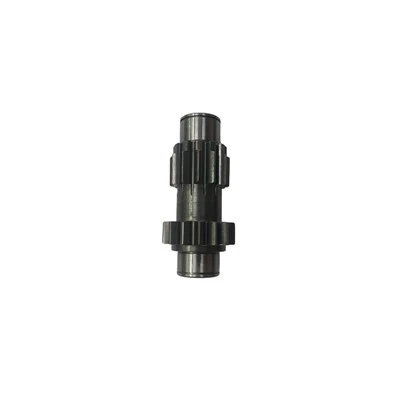
The design of reducer gears requires comprehensive consideration of factors such as transmission ratio, torque, speed, and spatial layout. Modern designs often utilize CAD/CAE software for 3D modeling and finite element analysis to optimize parameters such as tooth profile and tooth direction modification, thereby reducing meshing noise and improving transmission efficiency. In terms of manufacturing processes, precision machining is crucial, including processes such as gear hobbing, gear shaping, gear shaving, and gear grinding. Among these, gear grinding can achieve DIN 5 grade precision, suitable for high-precision transmission applications. Heat treatment processes directly affect the mechanical properties of the gears; for example, quenching can increase hardness, but the amount of deformation must be controlled to avoid affecting precision.