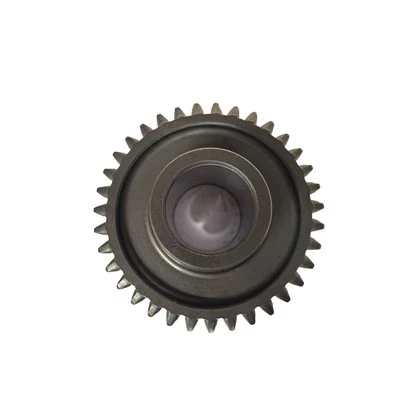
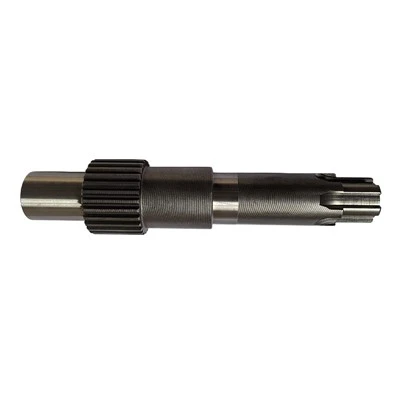
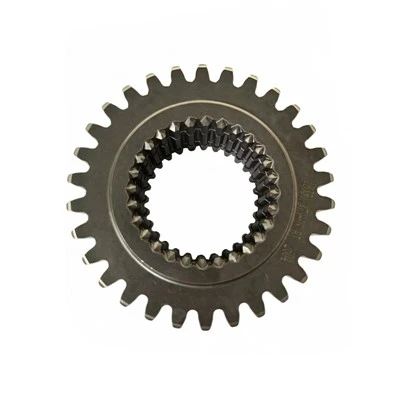
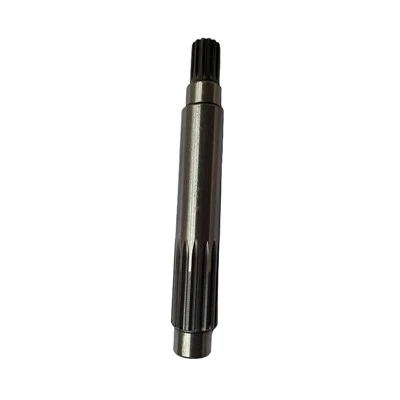
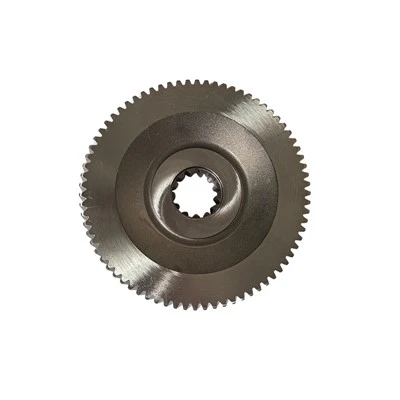
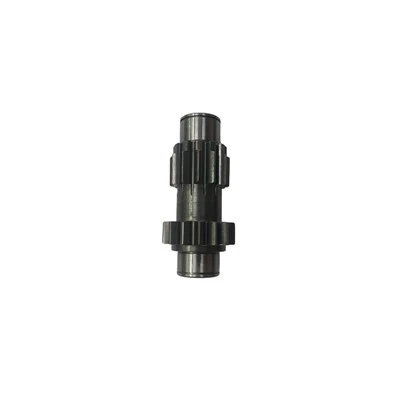
Gearbox gears are generally made of materials such as alloy steel, carbon steel, and cast steel.
Introduction
The gearbox is an important component of the automotive transmission system, and gears are one of the key components in the gearbox that play a crucial role in transmission. The material used to manufacture gears determines their service life and reliability, so selecting appropriate materials is particularly important. Below is an introduction to commonly used materials for gearbox gears.
Common Materials
Alloy Steel
Alloy steel has the advantages of high strength, good wear resistance, and low ductility, and is therefore widely used in the manufacture of gearbox gears. Alloy steel can be hardened and processed to improve its hardness and strength to meet the requirements of high-speed, high-torque transmissions. It can also undergo surface treatment to improve corrosion resistance. Furthermore, while alloy steel is relatively expensive, its cost-effectiveness remains excellent.
Carbon Steel
Carbon steel is a multi-functional material, widely used in gear manufacturing due to its low cost and good machinability. Carbon steel has good toughness and wear resistance, and can also withstand high strength requirements. However, carbon steel has poor corrosion resistance and is prone to fatigue cracking.
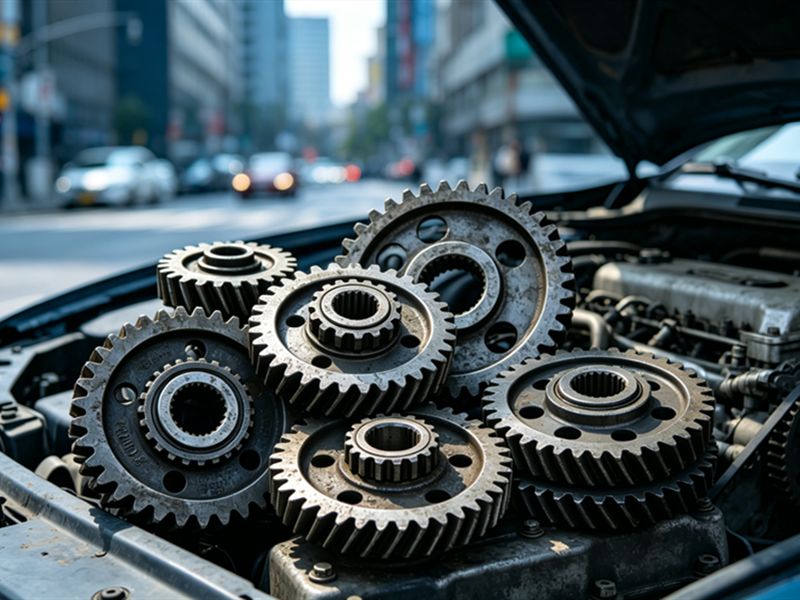
Cast steel offers advantages such as low cost, high surface finish, and excellent formability in the early stages of machining. The performance of cast steel depends on factors like the casting process and temperature, thus requiring precise control of the manufacturing process. Cast steel gears are typically used in applications with relatively low transmission requirements. For high-speed, high-load transmissions, forming and heat treatment processes are necessary to improve their strength and hardness.