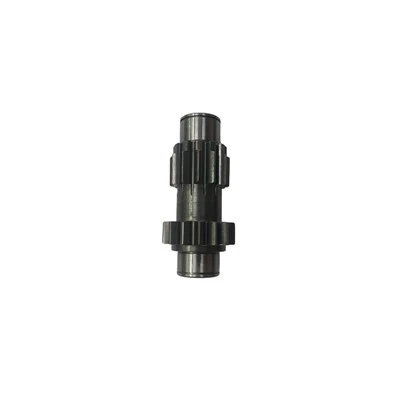
The clutch input shaft is a critical component within a vehicle's transmission system, playing a pivotal role in the process of clutch engagement. As a supplier of clutch input shafts, I have witnessed firsthand the significance of this part and its impact on the overall performance of the clutch system. In this blog, we will explore how the clutch input shaft affects clutch engagement, delving into its functions, design considerations, and potential issues.
Understanding the Basics of Clutch Engagement
Before we discuss the role of the clutch input shaft, it's essential to understand the basic principles of clutch engagement. A clutch is a mechanical device that connects and disconnects the engine from the transmission, allowing the driver to change gears smoothly. When the clutch pedal is depressed, the clutch disengages, separating the engine's power from the transmission. When the pedal is released, the clutch engages, transferring power from the engine to the transmission and ultimately to the wheels.
The Role of the Clutch Input Shaft
The clutch input shaft is the link between the clutch and the transmission. It is typically splined to the clutch disc, which allows it to rotate with the engine when the clutch is engaged. When the clutch is disengaged, the input shaft stops rotating, while the engine continues to run. This allows the driver to shift gears without causing damage to the transmission.
One of the primary functions of the clutch input shaft is to transmit torque from the engine to the transmission. As the engine rotates, it generates torque, which is transferred to the clutch disc. The clutch disc then transfers this torque to the input shaft, which in turn transfers it to the transmission. The input shaft must be able to withstand the high levels of torque generated by the engine without bending or breaking.
In addition to transmitting torque, the clutch input shaft also plays a role in aligning the clutch disc with the transmission. The input shaft is designed to fit precisely into the transmission, ensuring that the clutch disc is properly aligned with the gears. This alignment is crucial for smooth clutch engagement and efficient power transfer.
Design Considerations for the Clutch Input Shaft
The design of the clutch input shaft is critical to its performance. Several factors must be considered when designing a clutch input shaft, including material selection, diameter, length, and spline design.
- Material Selection: The material used for the clutch input shaft must be strong enough to withstand the high levels of torque generated by the engine. Common materials used for clutch input shafts include steel and alloy steel. These materials offer high strength and durability, making them ideal for use in high-performance applications.
- Diameter: The diameter of the clutch input shaft is an important design consideration. A larger diameter shaft can transmit more torque, but it also adds weight to the vehicle. A smaller diameter shaft is lighter, but it may not be able to handle as much torque. The diameter of the input shaft must be carefully selected to balance strength and weight.
- Length: The length of the clutch input shaft is also important. A longer shaft can provide more flexibility, allowing for easier installation and alignment. However, a longer shaft may also be more prone to bending or vibration. The length of the input shaft must be carefully selected to ensure proper alignment and performance.
- Spline Design: The spline design of the clutch input shaft is critical to its performance. The splines must be designed to fit precisely into the clutch disc and the transmission, ensuring that the torque is transferred efficiently. The spline design must also be able to withstand the high levels of stress and wear associated with clutch engagement.
Potential Issues with the Clutch Input Shaft
Like any mechanical component, the clutch input shaft can experience problems over time. Some of the most common issues with the clutch input shaft include wear, damage, and misalignment.
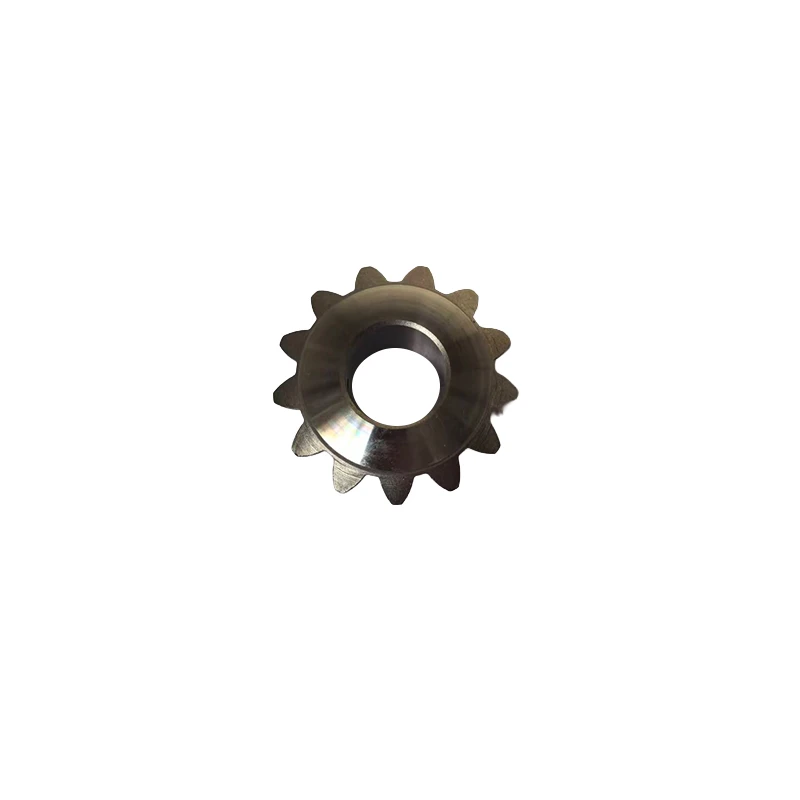
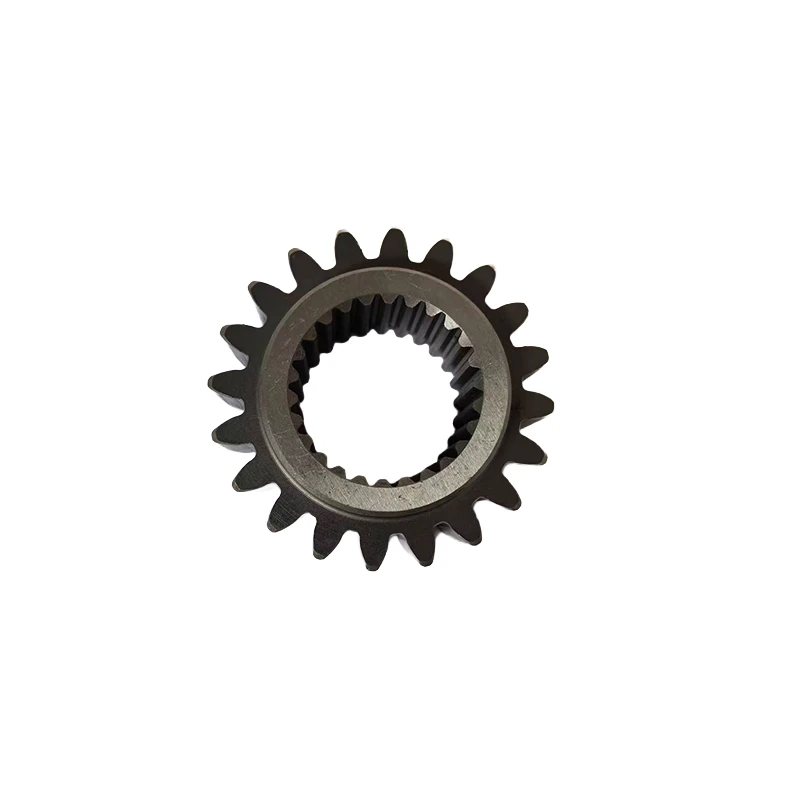
- Wear: The clutch input shaft is subject to wear and tear over time, especially in high-performance applications. The splines on the input shaft can wear down, causing the clutch disc to slip or not engage properly. This can result in a loss of power and poor performance.
- Damage: The clutch input shaft can also be damaged by impact or excessive stress. A bent or broken input shaft can cause the clutch to malfunction, resulting in a loss of power and difficulty shifting gears.
- Misalignment: Misalignment of the clutch input shaft can also cause problems. If the input shaft is not properly aligned with the transmission, the clutch disc may not engage properly, resulting in a loss of power and poor performance.
How to Ensure Proper Clutch Engagement
To ensure proper clutch engagement, it's important to use a high-quality clutch input shaft that is designed to meet the specific requirements of your vehicle. As a supplier of clutch input shafts, we offer a wide range of products that are designed to fit a variety of vehicles and applications. Our shafts are made from high-quality materials and are precision-engineered to ensure optimal performance.
In addition to using a high-quality clutch input shaft, it's also important to maintain your clutch system properly. This includes regular inspections, lubrication, and replacement of worn or damaged components. By following these maintenance tips, you can help ensure that your clutch system operates smoothly and efficiently.
Conclusion
The clutch input shaft is a critical component within a vehicle's transmission system, playing a pivotal role in the process of clutch engagement. As a supplier of clutch input shafts, we understand the importance of this part and its impact on the overall performance of the clutch system. By using a high-quality clutch input shaft and maintaining your clutch system properly, you can help ensure that your vehicle operates smoothly and efficiently.
If you are in the market for a clutch input shaft or other transmission components, we invite you to contact us to discuss your needs. Our team of experts is available to answer your questions and provide you with the information you need to make an informed decision. We look forward to working with you!
References
- Automotive Transmission Systems: Principles, Diagnosis, and Repair by Tom Denton
- Clutch and Transmission Handbook by John Dolan
- Modern Automotive Technology by James D. Halderman