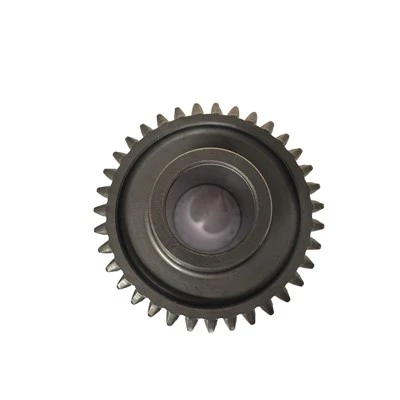
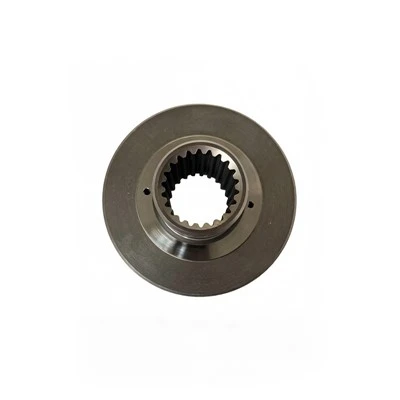
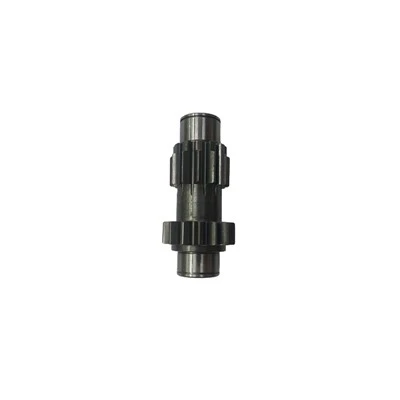
As a clutch input shaft supplier, I've witnessed firsthand the growing trend among automotive enthusiasts and professionals to upgrade various components of their vehicles for enhanced performance. One such component that often comes under consideration for an upgrade is the clutch input shaft. While the potential benefits of upgrading a clutch input shaft, such as improved torque transfer and durability, are well - known, it's equally important to understand the potential risks involved.
Compatibility Issues
One of the most significant risks associated with upgrading a clutch input shaft is compatibility. The clutch input shaft is a critical part of the transmission system, and it must fit precisely with other components such as the clutch disc, flywheel, and transmission gears. A mismatch in dimensions, spline count, or other specifications can lead to a host of problems.
For instance, if the new input shaft has a different spline count than the original, it won't properly engage with the clutch disc. This can result in a slipping clutch, where the power from the engine is not efficiently transferred to the transmission. The vehicle may experience a loss of acceleration, and the clutch will wear out prematurely.
Moreover, the length and diameter of the input shaft are also crucial. An incorrect length can cause misalignment between the clutch and the transmission, leading to vibrations and excessive wear on the bearings. If the diameter is off, it may not fit properly into the transmission housing, causing leaks or preventing the transmission from operating smoothly.
Installation Complexity
Upgrading a clutch input shaft is not a simple bolt - on process. It requires a high level of mechanical expertise and specialized tools. Incorrect installation can lead to serious problems.
During the installation, the input shaft needs to be properly aligned with the clutch and the transmission. If it is not aligned correctly, it can cause excessive stress on the components. This stress can lead to premature failure of the input shaft, clutch, or transmission gears. For example, misalignment can cause uneven wear on the clutch disc, which will eventually lead to clutch failure.
Additionally, the installation process often involves disassembling a significant portion of the transmission system. This exposes the internal components to the risk of damage. If any foreign particles, such as dirt or debris, enter the transmission during the installation, it can cause damage to the gears and bearings.
Cost - Benefit Ratio
Another potential risk of upgrading a clutch input shaft is the cost - benefit ratio. High - performance clutch input shafts can be quite expensive. In addition to the cost of the shaft itself, there are also the costs associated with installation, which can be substantial if you hire a professional mechanic.
If the upgrade does not provide a significant improvement in performance or durability, then the cost may not be justified. For example, if you own a daily driver that is not used for high - performance applications, upgrading the clutch input shaft may not yield a noticeable difference in driving experience. The money spent on the upgrade could be better used for other maintenance or repair tasks.
Warranty and Liability
When you upgrade a clutch input shaft, it can potentially void the vehicle's warranty. Many vehicle manufacturers have strict policies regarding aftermarket modifications. If something goes wrong with the transmission or the clutch system after the upgrade, the manufacturer may refuse to cover the repairs under warranty.
This can leave you with a significant financial burden. For example, if the upgraded input shaft causes damage to the transmission, and the warranty is voided, you will be responsible for the entire cost of repairing or replacing the transmission, which can be extremely expensive.
Impact on Other Components
Upgrading the clutch input shaft can also have an impact on other components of the vehicle. A more powerful input shaft may be able to handle higher torque loads, but if the rest of the drivetrain is not upgraded accordingly, it can lead to overloading of these components.
For example, if the input shaft is upgraded to handle more torque, but the clutch disc and pressure plate are not upgraded, the clutch may not be able to handle the increased torque. This can lead to clutch slippage and premature wear. Similarly, the transmission gears and bearings may be subjected to higher stresses, which can cause them to fail prematurely.
Consideration of Alternatives
Before deciding to upgrade a clutch input shaft, it's important to consider alternative solutions. For some vehicles, a simple clutch adjustment or replacement of the clutch disc and pressure plate may be sufficient to improve performance.
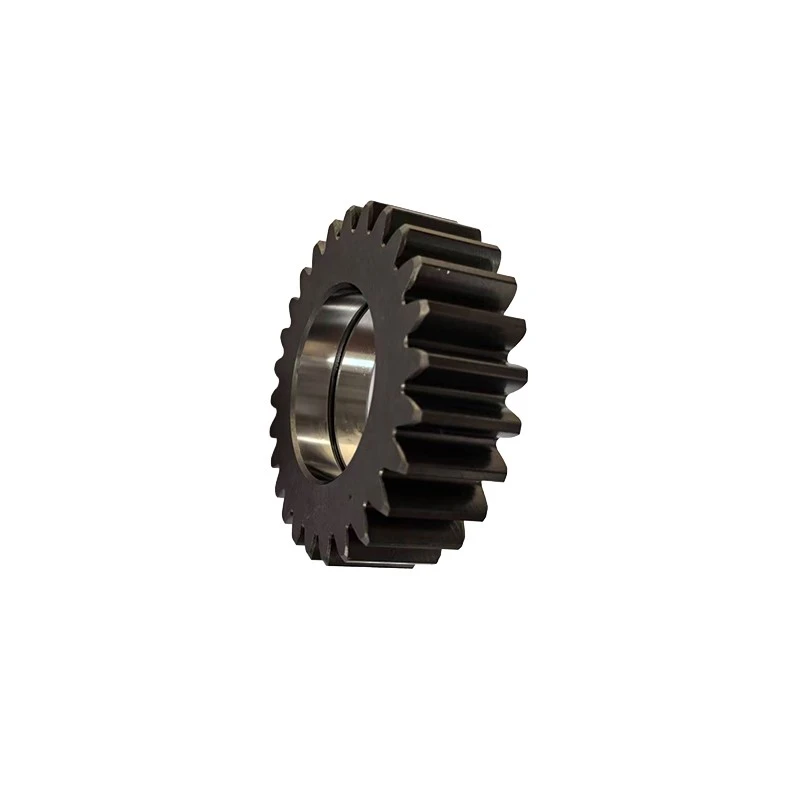
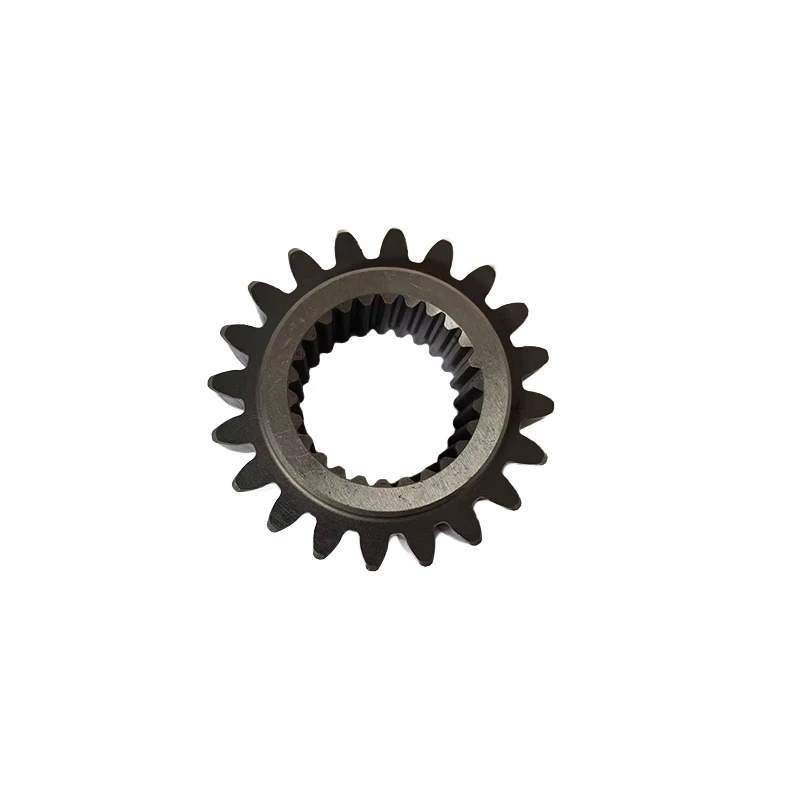
If you are looking for enhanced torque transfer, you may also consider upgrading other components of the drivetrain, such as the Universal Pto Shaft, Idler Gear Shaft, Reverse Gear Shaft, Reverse Idler Shaft, or Model 138 PTO Shaft. These components can work together to improve the overall performance of the vehicle without the risks associated with upgrading the clutch input shaft.
Conclusion
While upgrading a clutch input shaft can offer potential benefits, it's essential to be aware of the potential risks. Compatibility issues, installation complexity, cost - benefit ratio, warranty concerns, and the impact on other components are all factors that need to be carefully considered.
As a clutch input shaft supplier, I am committed to providing high - quality products and accurate information to our customers. If you are considering upgrading your clutch input shaft, I encourage you to contact us for professional advice. We can help you assess whether an upgrade is the right choice for your vehicle and guide you through the process to minimize the risks. Whether you are a professional mechanic or an automotive enthusiast, we are here to assist you in making the best decision for your vehicle.
References
- "Automotive Transmission Systems" - A comprehensive textbook on automotive transmission components and their functions.
- "Clutch and Driveline Handbook" - A guide that provides in - depth information on clutch systems and related components.