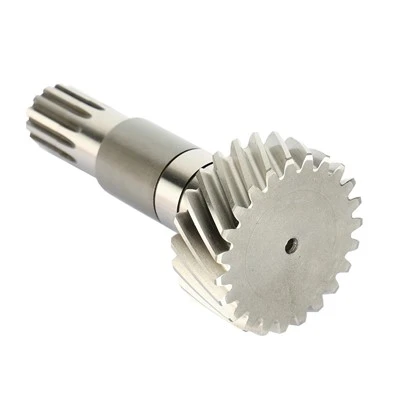
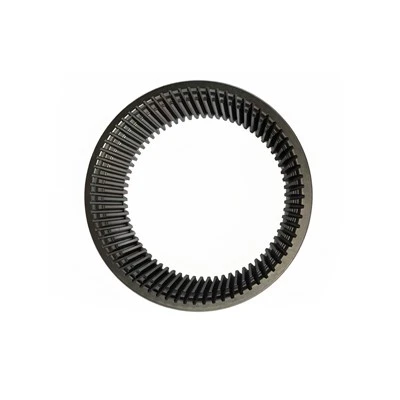
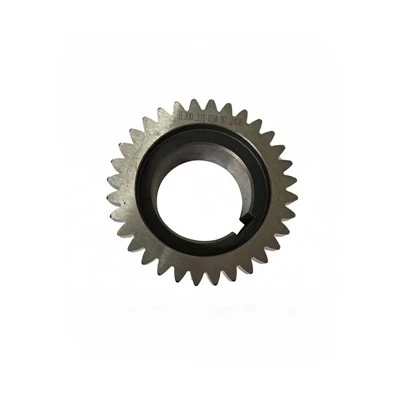
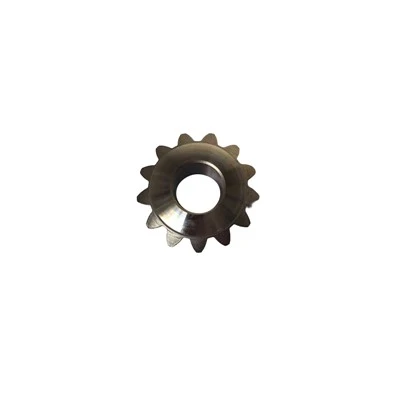
As a supplier of Reverse Idler Shafts, I often get asked about how to reduce the noise these components generate. It can be a real headache for a lot of folks out there, whether you're in the automotive industry, heavy machinery, or just a DIY enthusiast. In this blog, I'm gonna share some tips and tricks that can help you cut down on that annoying noise.
Understanding the Basics of Reverse Idler Shaft Noise
First off, let's talk about why Reverse Idler Shafts make noise in the first place. There are several factors at play here. One of the main culprits is the meshing of gears. When the gears on the shaft engage and disengage, they create vibrations. These vibrations can then turn into noise that can be pretty irritating, especially if it's a high - pitched whine or a loud clunk.
Another factor is the quality of the materials used in the shaft. If the shaft is made from low - grade materials, it might not be able to withstand the stress and wear and tear, which can lead to increased noise over time. Also, improper installation or misalignment can cause the shaft to operate unevenly, resulting in more noise.
Tips for Reducing Reverse Idler Shaft Noise
1. Choose High - Quality Materials
The first step in reducing noise is to start with the right materials. As a supplier, I always recommend using high - grade steel or alloy for the Reverse Idler Shaft. These materials are more durable and can handle the stress of gear meshing better. They also tend to have better damping properties, which means they can absorb some of the vibrations and reduce the noise. For example, a Gearbox Shaft made from high - quality alloy will generally be quieter than one made from a cheaper material.
2. Precision Manufacturing
Precision is key when it comes to manufacturing Reverse Idler Shafts. The gears on the shaft need to be cut with extreme accuracy to ensure smooth meshing. Any small deviation in the gear profile can cause uneven contact between the gears, leading to noise. At our facility, we use state - of - the - art CNC machines to manufacture our shafts. This ensures that each gear is cut to the exact specifications, reducing the chances of noise.
3. Proper Lubrication
Lubrication is another crucial factor in reducing noise. A well - lubricated shaft will have less friction between the gears, which in turn reduces vibrations and noise. You should use a high - quality lubricant that is specifically designed for gear applications. Make sure to follow the manufacturer's recommendations for lubricant type and change intervals. For example, if you're using a Shaft Mounted Clutch along with the Reverse Idler Shaft, proper lubrication of both components is essential for quiet operation.
4. Alignment Checks
Misalignment is a common cause of noise in Reverse Idler Shafts. You need to make sure that the shaft is properly aligned with other components in the system, such as the gears and bearings. Even a small misalignment can cause the gears to wear unevenly and create noise. Use alignment tools to check and adjust the alignment during installation and regular maintenance.
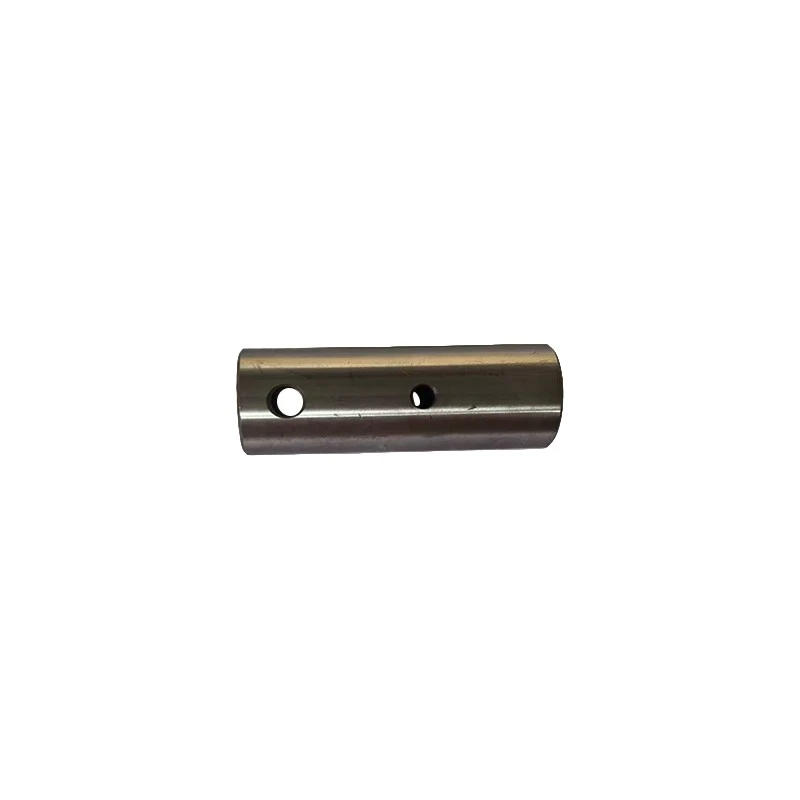
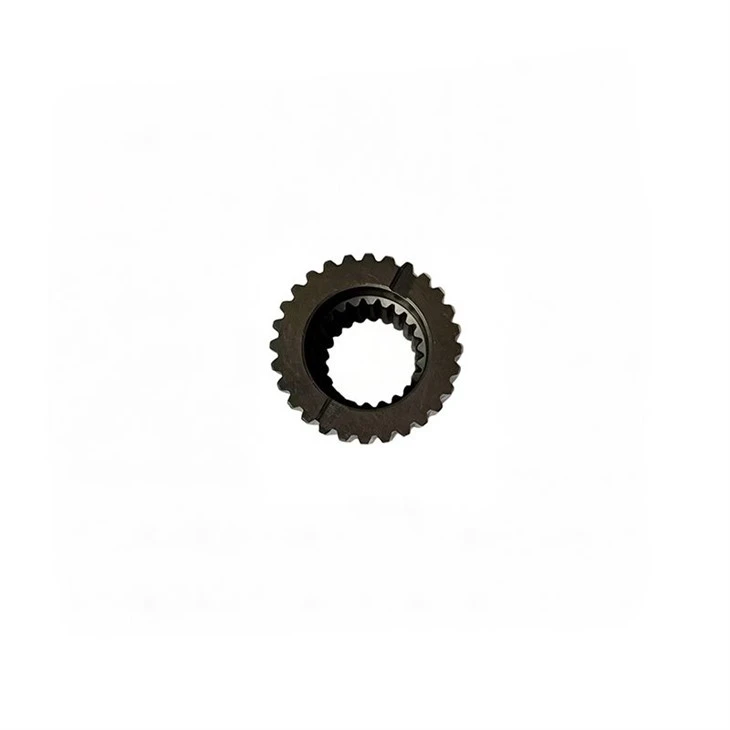
5. Damping Techniques
There are several damping techniques that can be used to reduce the noise of a Reverse Idler Shaft. One method is to use rubber or elastomeric dampers. These can be placed between the shaft and the housing to absorb some of the vibrations. Another option is to use a vibration - isolating mount. This will prevent the vibrations from being transmitted to the surrounding structure, reducing the overall noise level.
Case Studies
Let's take a look at a couple of real - life examples where these techniques were used to reduce Reverse Idler Shaft noise.
In a small automotive repair shop, they were having issues with a noisy Reverse Idler Shaft in a customer's car. The first thing they did was to check the lubrication. They found that the lubricant was old and dirty, so they drained it and replaced it with a high - quality gear oil. They also inspected the alignment of the shaft and found a slight misalignment. After adjusting the alignment, the noise was significantly reduced.
In a large manufacturing plant, they were using a Idler Gear Shaft in one of their production lines. The shaft was making a loud, continuous noise that was affecting the working environment. They decided to replace the shaft with a new one made from high - quality alloy. They also installed rubber dampers between the shaft and the housing. After these changes, the noise level dropped to an acceptable level, improving the overall working conditions.
Maintenance and Monitoring
Once you've taken steps to reduce the noise of your Reverse Idler Shaft, it's important to maintain and monitor it regularly. Check the lubricant levels and quality at regular intervals and replace it when necessary. Inspect the shaft for signs of wear and damage, such as cracks or excessive pitting on the gears. If you notice any issues, address them immediately to prevent further noise and potential breakdowns.
You can also use vibration sensors to monitor the shaft's performance. These sensors can detect any abnormal vibrations early on, allowing you to take corrective action before the noise becomes a major problem.
Conclusion
Reducing the noise of a Reverse Idler Shaft is a multi - faceted process that involves choosing the right materials, precision manufacturing, proper lubrication, alignment checks, and damping techniques. By following these tips and maintaining your shaft regularly, you can significantly reduce the noise and improve the overall performance of your system.
If you're in the market for high - quality Reverse Idler Shafts or have any questions about noise reduction, feel free to reach out. We're here to help you find the best solutions for your needs, whether it's a Left Final Drive Half - Shaft or a Pto Input Shaft. Let's start a conversation about how we can work together to meet your requirements.
References
- Smith, J. (2020). Gear Noise Reduction Techniques. Mechanical Engineering Journal.
- Johnson, A. (2019). The Importance of Material Selection in Shaft Manufacturing. Automotive Technology Review.
- Brown, C. (2021). Lubrication for Quiet Gear Operation. Industrial Lubrication Magazine.