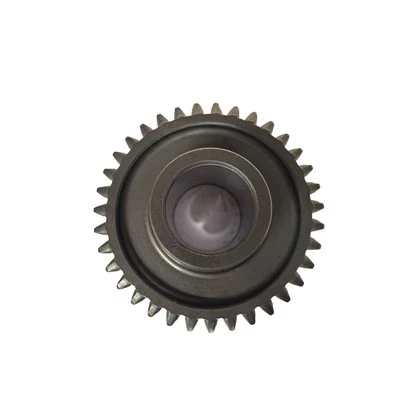
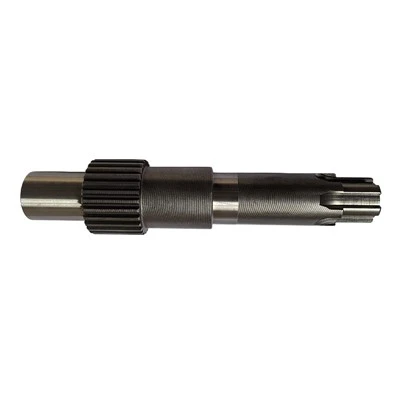
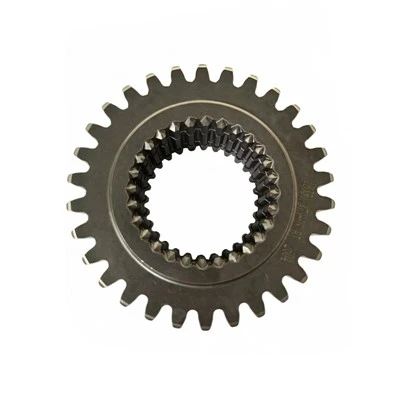
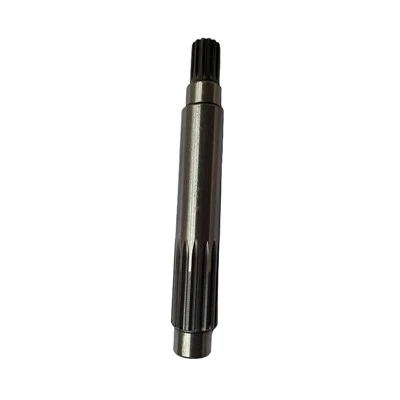
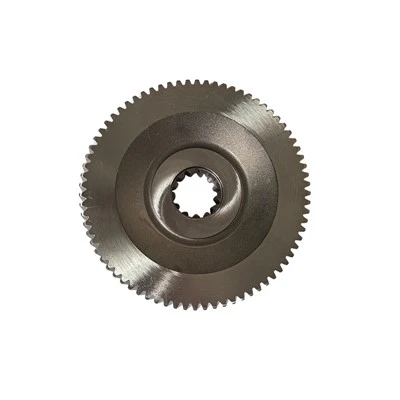
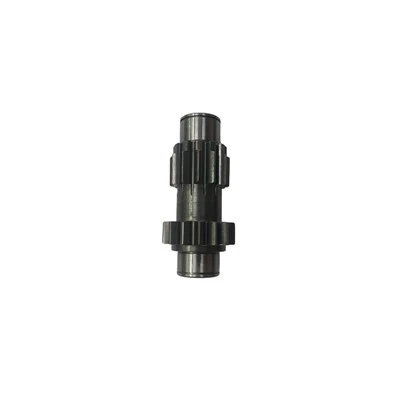
In terms of cost, gear grinding mainly includes equipment purchase cost, equipment maintenance cost, material cost, and labor cost. Equipment purchase and maintenance costs are one-time investments but can be used for many years. Material and labor costs, however, depend on the processing volume and are relatively flexible. Therefore, overall, gear grinding is relatively expensive, but for applications requiring high precision and high quality gears, it remains a relatively economical choice due to its advantages in processing efficiency and quality.
In terms of advantages, gear grinding offers the following benefits:
High Precision: Gear grinding provides higher precision and better tooth profile quality, making it suitable for applications with high precision requirements, such as mechanical transmission systems and precision instruments.
Wide Applicability: Gear grinding can adapt to complex tooth profiles and a wide range of tooth counts, offering high flexibility. For gears with special tooth profiles or large dimensions, gear grinding can better meet their processing requirements, improving gear performance and quality.
Increased Production Efficiency: Gear grinding offers high precision and production efficiency, reducing scrap rates and improving equipment productivity. Furthermore, its high degree of automation reduces labor costs and enhances overall production efficiency.
Improved Product Quality: Gear grinding produces smoother gear teeth, reduces residual stress, and improves fatigue strength and wear resistance. This reduces gear replacement frequency, lowers maintenance costs, and further increases equipment productivity.
In conclusion, gear grinding is a high-precision gear manufacturing method with numerous advantages. It remains a cost-effective option, particularly in applications requiring high-precision, high-quality gears. While the cost is relatively high, its advantages make it a viable choice in certain specific situations.