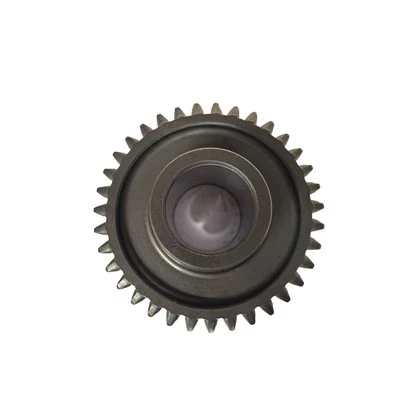
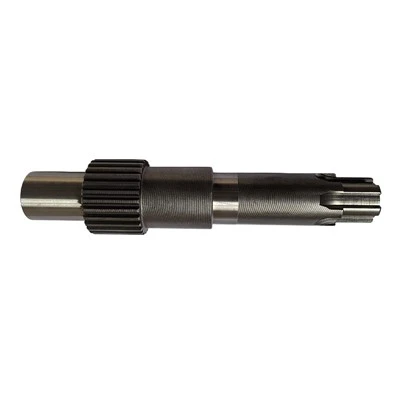
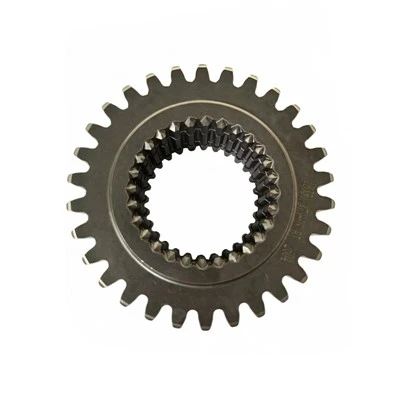
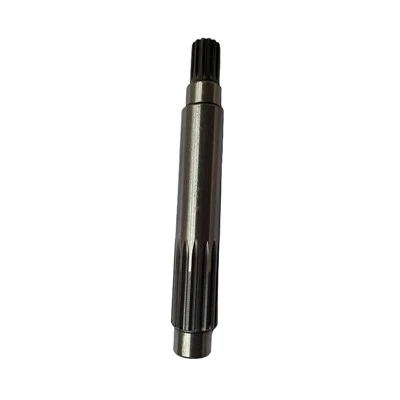
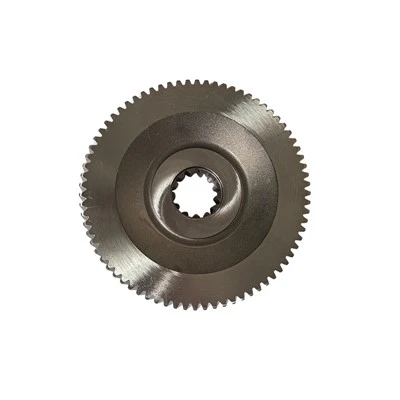
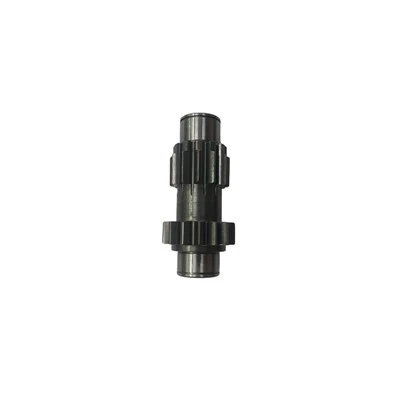
Form Grinding: Form grinding is a method of grinding gears using a specific grinding wheel. The principle is to copy the tooth profile of the gear onto the grinding wheel, and then gradually remove excess material from the gear surface through the relative movement between the grinding wheel and the gear, thereby obtaining the desired tooth shape. Form grinding has advantages such as high processing efficiency and low cost, but its processing accuracy is relatively low due to limitations in the precision of the grinding wheel and its wear condition.
Grinding with a Generating Wheel: Generating grinding is a grinding method based on the gear meshing principle. It simulates the meshing process of a gear pair, using the relative movement between the grinding wheel and the gear to gradually generate the desired tooth shape. Generating grinding has high processing accuracy and flexibility, and is suitable for machining various complex tooth shapes. However, due to the need for precise motion control and complex grinding wheel dressing techniques during processing, its processing efficiency and cost are relatively high.
Post-Heat Treatment Grinding: Post-heat treatment grinding is a grinding method for gears after heat treatment. Due to changes in material structure and properties, gears after heat treatment often experience problems such as deformation and increased hardness. Post-heat grinding is a specific grinding process used to finish heat-treated gears, eliminating deformation, improving accuracy, and reducing noise. Post-heat grinding is significant for improving the overall performance and service life of gears; however, due to the uncertainties in the heat treatment process and the difficulty of grinding technology, the process is relatively complex and costly.