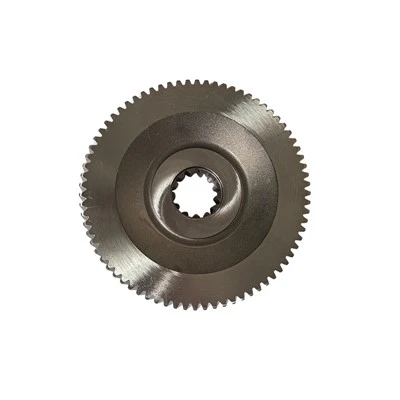
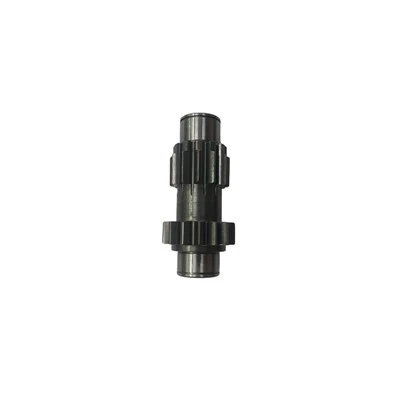
The Three Main Forces of Agricultural Machinery Gears
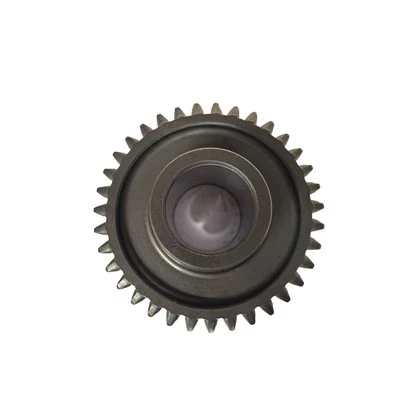
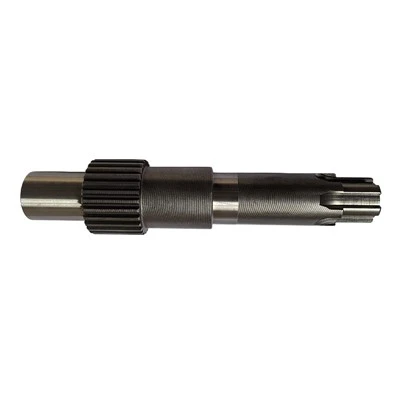
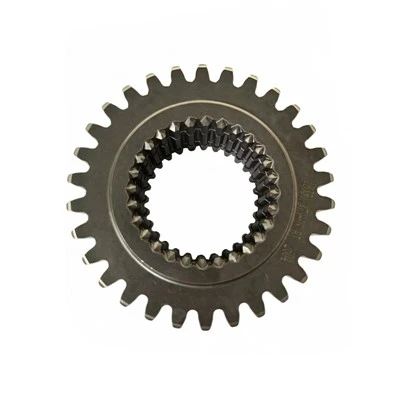
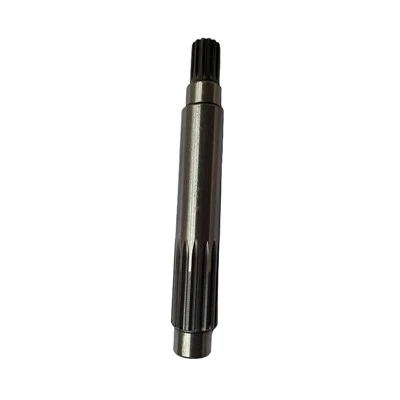
Agricultural machinery gears are like the teeth of a machine, meshing together to keep the entire operating system running. Gears can generally be categorized into three types:
Transmission gears: The central hub of power transmission, responsible for converting engine speed into torque suitable for tillage.
Steering gears: The commander controlling direction, achieving flexible steering through an umbrella-shaped structure.
Differential gears: The balance master in field operations, ensuring coordination between the left and right wheels under different road conditions.
The Evolution of Gear Materials: From cast iron to alloy steel, agricultural machinery gears have undergone three upgrades:
First-generation cast iron gears: Low cost but prone to wear, suitable for light-load operations.
Second-generation carbon steel gears: 30% stronger, becoming standard equipment for dryland machinery.
Third-generation alloy gears: Incorporating chromium and molybdenum, extending service life by 2-3 times.
A Practical Guide to Gear Selection: Choosing gears based on the operating scenario is crucial:
Dryland operations: Prioritize sealed gear sets with dustproof designs.
Plain field machinery: Choose specially treated gears with galvanized anti-rust coating.
Mountainous agricultural machinery: Requires reinforced gears to handle complex terrain.
Large combine harvesters: Modular gear sets facilitate maintenance and replacement.