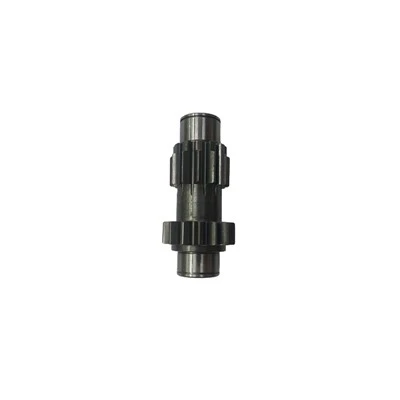
Hey there! As a supplier of idler gear shafts, I've seen firsthand the impact that misalignment can have on these crucial components. In this blog, I'm gonna break down the effects of misalignment on an idler gear shaft and why it's so important to keep an eye on this issue.
What is Misalignment?
First off, let's talk about what misalignment actually means. Misalignment occurs when the idler gear shaft isn't properly aligned with other components in the system. This can happen for a bunch of reasons, like improper installation, wear and tear over time, or even external factors like vibration or shock.
There are two main types of misalignment: angular and parallel. Angular misalignment happens when the shaft is tilted at an angle relative to the other components, while parallel misalignment occurs when the shaft is offset from its proper position. Both types of misalignment can cause serious problems for the idler gear shaft and the overall system.
Effects of Misalignment on an Idler Gear Shaft
Now, let's get into the nitty - gritty of how misalignment affects an idler gear shaft.
1. Increased Wear and Tear
One of the most obvious effects of misalignment is increased wear and tear on the idler gear shaft. When the shaft is misaligned, it doesn't rotate smoothly, which means that the gears and bearings have to work harder. This extra stress can cause the surfaces of the gears and bearings to wear down more quickly, leading to premature failure.
For example, if there's angular misalignment, the teeth of the gears may not mesh properly. This can result in uneven contact between the teeth, causing some areas to wear out faster than others. Over time, this can lead to gear tooth breakage, which is a major problem in any gear system.
2. Reduced Efficiency
Misalignment also reduces the efficiency of the idler gear shaft. When the shaft isn't properly aligned, more energy is wasted in the form of heat and vibration. This means that the system has to work harder to achieve the same level of performance, which can lead to increased energy consumption and higher operating costs.
Think about it like this: if you're trying to push a cart that's not rolling straight, you have to use more force to get it moving. The same principle applies to an idler gear shaft. When it's misaligned, the system has to use more power to overcome the resistance caused by the misalignment.
3. Vibration and Noise
Another common effect of misalignment is increased vibration and noise. When the idler gear shaft is misaligned, it creates an imbalance in the system, which causes the components to vibrate. This vibration can be felt throughout the entire system and can even cause damage to other components over time.
The vibration also generates noise, which can be a nuisance in a working environment. In some cases, excessive noise can even be a safety hazard, as it can make it difficult for workers to hear important signals or warnings.
4. Bearing Failure
Bearing failure is a significant consequence of misalignment. The bearings on an idler gear shaft are designed to support the shaft and allow it to rotate smoothly. However, when the shaft is misaligned, the bearings are subjected to uneven loads. This can cause the bearings to overheat, wear out prematurely, and eventually fail.
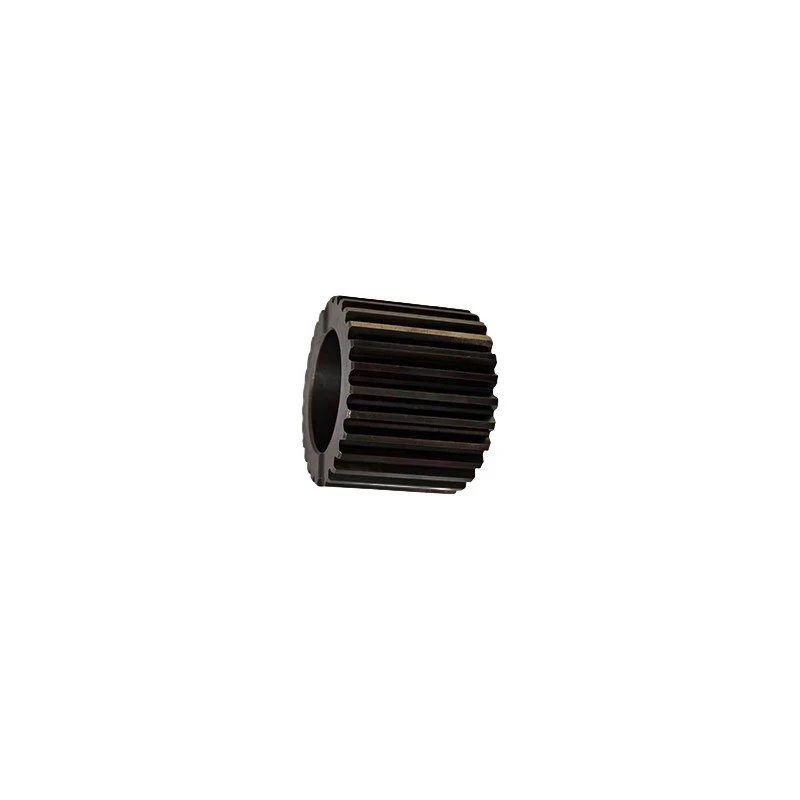
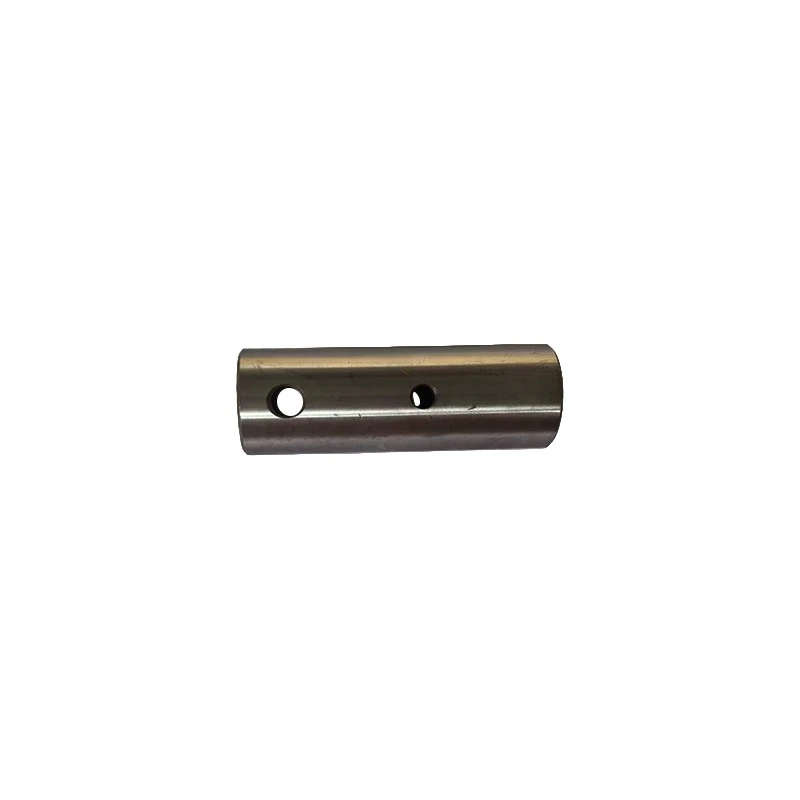
Once the bearings fail, the idler gear shaft can no longer rotate properly, which can lead to a complete breakdown of the system. Replacing bearings can be expensive and time - consuming, so it's important to prevent misalignment in the first place.
5. Shaft Fatigue
Misalignment can also lead to shaft fatigue. The constant stress and vibration caused by misalignment can cause the idler gear shaft to develop cracks over time. These cracks can grow and eventually lead to shaft failure. Shaft fatigue is a serious problem because it can happen suddenly and without warning, causing significant downtime and repair costs.
How to Detect Misalignment
So, how can you tell if your idler gear shaft is misaligned? There are a few signs to look out for.
- Vibration and Noise: As mentioned earlier, increased vibration and noise are often a sign of misalignment. If you notice that your system is vibrating more than usual or making strange noises, it could be a sign that the idler gear shaft is misaligned.
- Uneven Wear: Check the gears and bearings for signs of uneven wear. If you see that the teeth of the gears are worn on one side more than the other, or if the bearings show signs of excessive wear in certain areas, it could be due to misalignment.
- Performance Issues: If the system isn't performing as well as it used to, such as reduced power output or slower operation, misalignment could be the culprit.
Solutions to Misalignment
If you detect misalignment in your idler gear shaft, there are a few solutions you can consider.
- Realignment: The most obvious solution is to realign the idler gear shaft. This may involve adjusting the position of the shaft or the other components in the system. Realignment should be done by a professional to ensure that it's done correctly.
- Regular Maintenance: Regular maintenance can help prevent misalignment in the first place. This includes checking the alignment of the shaft and other components on a regular basis, lubricating the gears and bearings, and replacing worn parts as needed.
- Upgrading Components: In some cases, upgrading the idler gear shaft or other components in the system can help reduce the risk of misalignment. For example, using high - quality bearings or gears that are more resistant to wear and tear can improve the overall performance and reliability of the system.
Related Products
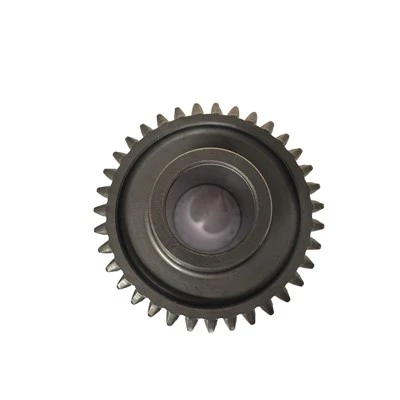
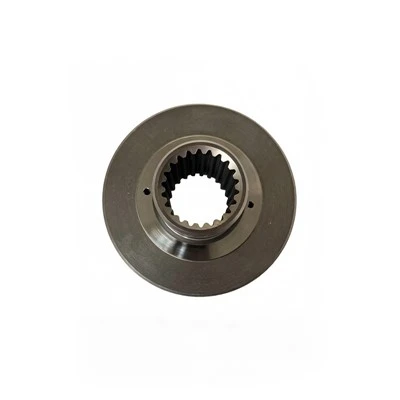
As an idler gear shaft supplier, I also offer a range of related products that can complement your system. You might be interested in our Left Final Drive Half - Shaft, Transmission Intermediate Shaft, Shaft Mounted Clutch, Pto Input Shaft, and Billet Output Shaft. These products are designed to work together to provide a reliable and efficient transmission system.
Why Choose Us
If you're in the market for idler gear shafts or any of our related products, here's why you should choose us. We have years of experience in the industry, and we're committed to providing high - quality products at competitive prices. Our team of experts can help you choose the right products for your specific needs and provide you with technical support and advice.
Contact Us for Purchase
If you're interested in learning more about our idler gear shafts or any of our other products, don't hesitate to reach out. We're here to answer any questions you may have and to help you with your procurement process. Whether you're looking for a single idler gear shaft or a complete transmission system, we've got you covered.
References
- Machinery's Handbook, 31st Edition
- Tribology Handbook, Second Edition